Fascinating Fact:
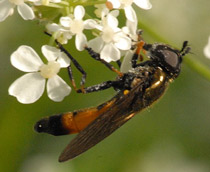
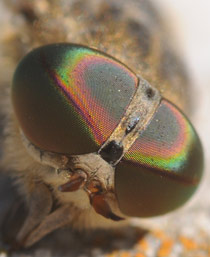
Bees and hoverflies can look similar at a glance, but hoverflies have only one pair of wings and often have large eyes that meet on top of the head.
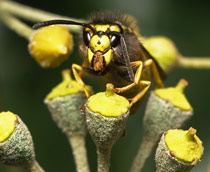
In Specialist Nature, identifying insects often comes down to a few reliable features rather than colour alone. Hoverflies, bees and wasps may share stripes, but you can check wing number, eye shape, antenna length and flight style. Many hoverflies can hover almost still, then dart quickly, while bees usually fly in a steadier, busier way as they forage between flowers.
Key Terms
- Mimicry: When one species resembles another, often to avoid being eaten.
- Diptera: The insect order that includes flies, most have one pair of wings and a second pair reduced to tiny balancing organs.
- Antennae: Sensory feelers on an insect’s head, useful for comparing groups because their length and shape can differ.
Frequently Asked Questions (Click to see answers)
How can I tell a hoverfly from a bee?
You can often tell a hoverfly from a bee by looking for one pair of wings, larger eyes, and shorter antennae. Hoverflies also tend to hover in place and make quick, darting movements, while bees usually fly more steadily as they forage.
Do hoverflies sting like bees?
Hoverflies do not sting, even if they look like bees or wasps. Their striped patterns are a form of mimicry that can discourage predators, but hoverflies are harmless to people.
Why do some insects look like bees and wasps?
Some insects look like bees and wasps because predators often avoid stinging insects. By copying warning colours and patterns, a harmless insect may be less likely to be attacked, even though it cannot sting.
Try These Related Quizzes