




Ask the AI Tutor
Need help with Reptiles and Amphibians - Reptiles of the World? Ask our AI Tutor!
AI Tutor - Lucy
Connecting with Tutor...
Please wait while we establish connection
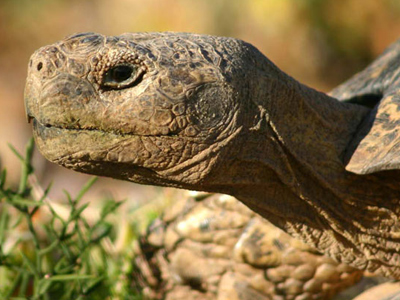
Which TV sitcom features a tortoise at the start and end of each episode?
Reptiles and Amphibians - Reptiles of the World
From crocodiles to chameleons, reptiles live on every continent except Antarctica. Explore how they breathe, move and hunt, and what makes them different from amphibians.
To see a larger image, click on the picture.
1 .
What is the collective term for a group of alligators?
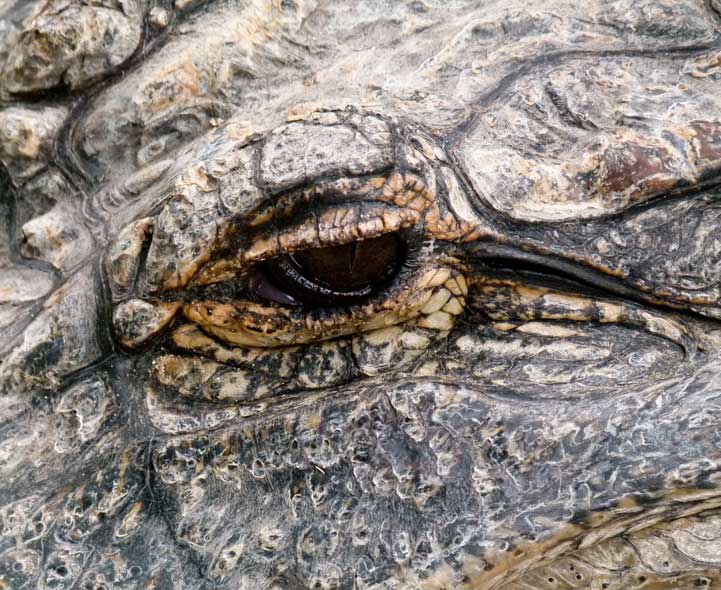
Photograph courtesy of Norbert Nagel
Flock
Congregation
Troop
Snap
- Order: Crocodylia
- Family: Alligatoridae
- Subfamily: Alligatorinae
- Genus: Alligator
- Native to only the United States and China.
- The majority of American alligators inhabit Florida and Louisiana, with over a million alligators in each state.
- The Chinese alligator currently is found only in the Yangtze River valley and is extremely endangered.
2 .
Can you name this reptile?
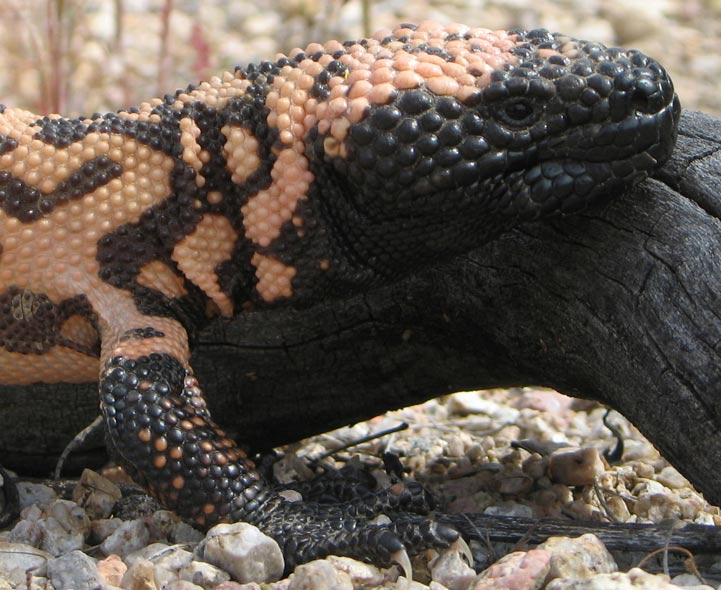
Photograph courtesy of Jeff Servoss
Blind Lizard
Spinytail Lizard
Gila monster
Collared Lizard
- Order: Squamata
- Family: Helodermatidae
- Genus: Heloderma
- Species: H. suspectum
- A venomous lizard, though poses little threat to humans due to its sluggish nature.
- They inhabit scrubland, succulent desert and oak woodland.
- The drug known as exenatide is derived from this animal's saliva.
3 .
What is the name of this reptile?
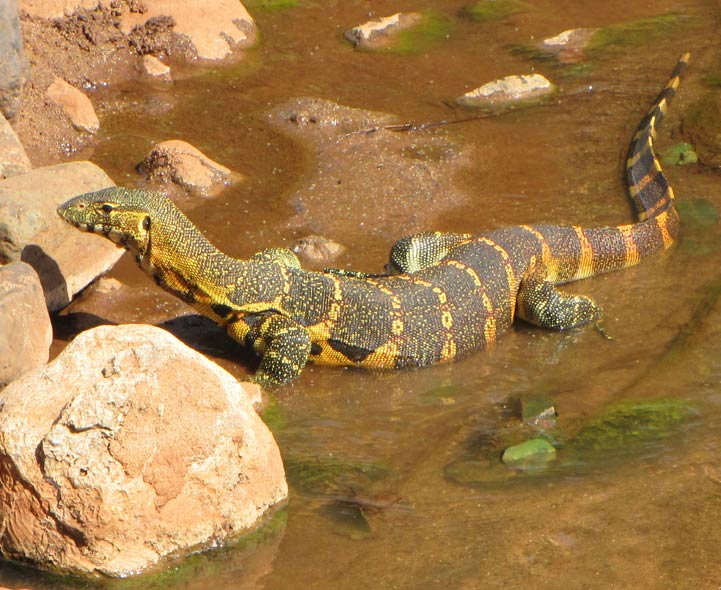
Photograph courtesy of D. Gordon E. Robertson
Spectacled lizard
Plated lizard
Glass lizard
Monitor lizard
- Order: Squamata
- Family: Varanidae
- Genus: Varanus
- Differ greatly from other lizards, possessing a relatively high metabolic rate for reptiles.
- These kinds of lizards are very intelligent and some species can even count.
- Are eaten in parts of southern India and Malaysia, where their meat is considered an aphrodisiac.
4 .
What does a chameleon NOT have?
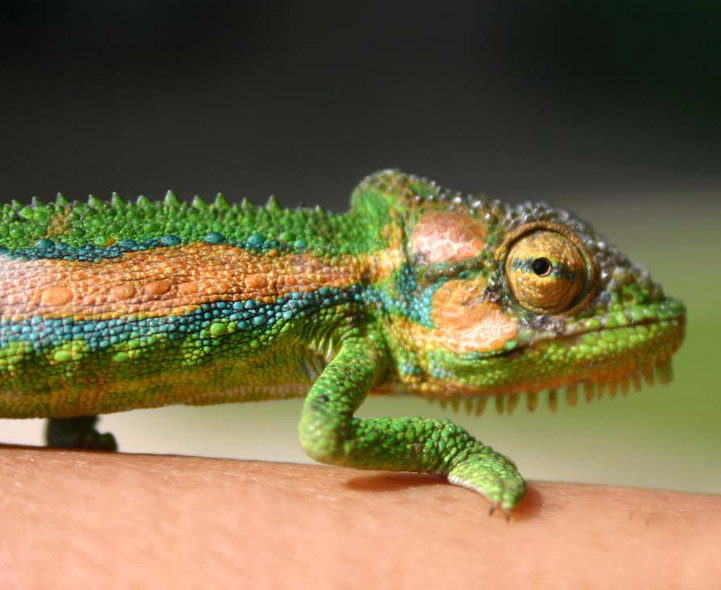
Photograph courtesy of Charlesjsharp
Claws
Ears
Tail
Tongue
- Order: Squamata
- Suborder: Lacertilia
- Infraorder: Iguania
- Family: Chamaeleonidae
- Their eyes are the most distinctive of the reptiles.
- They can rotate and focus separately to observe two different objects simultaneously, this lets their eyes move independently from each other.
- It in effect gives them a full 360-degree arc of vision around their body.
5 .
This foot belongs to which reptile?
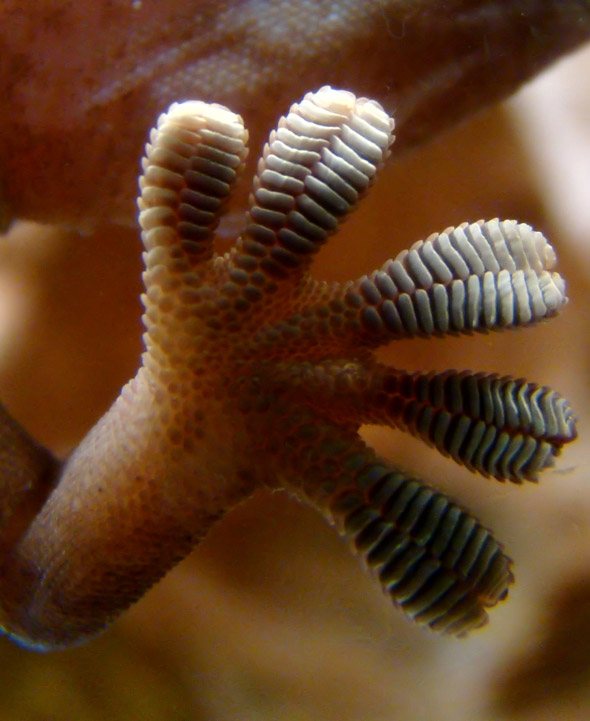
Photograph courtesy of Bjørn Christian Tørrissen
Wood lizard
Gecko
Anole
Whiptail
- Order: Squamata
- Suborder: Scleroglossa
- Family: Gekkonidae
- Are among the most colourful lizards in the world.
- Come in various patterns and colours such as purple, pink and blue.
- The mating call sounds like a shortened bird chirping which attracts males.
- Found in warm climates throughout the world.
The toes of the gecko have a special adaptation that allows them to adhere to most surfaces without the use of liquids or surface tension
6 .
How does a crocodile sweat?
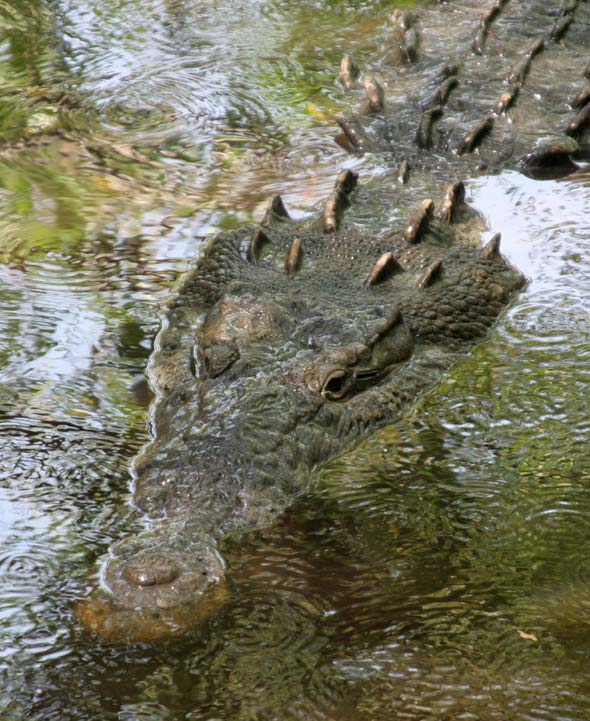
Photograph courtesy of Tomás Castelazo
Through its tail
Through its skin
Through its mouth
Through its feet
- Superorder: Crocodylomorpha
- Order: Crocodylia
- Superfamily: Crocodyloidea
- Family: Crocodylidae
- First appeared during the Eocene epoch, about 55 million years ago.
- Are among the more biologically complex reptiles despite their prehistoric look.
- Crocodiles are very fast over short distances, even out of water.
That's why they can be seen on river banks with their mouths wide open - they are cooling down!
7 .
In 2006, the snapping turtle became the state reptile of which state?
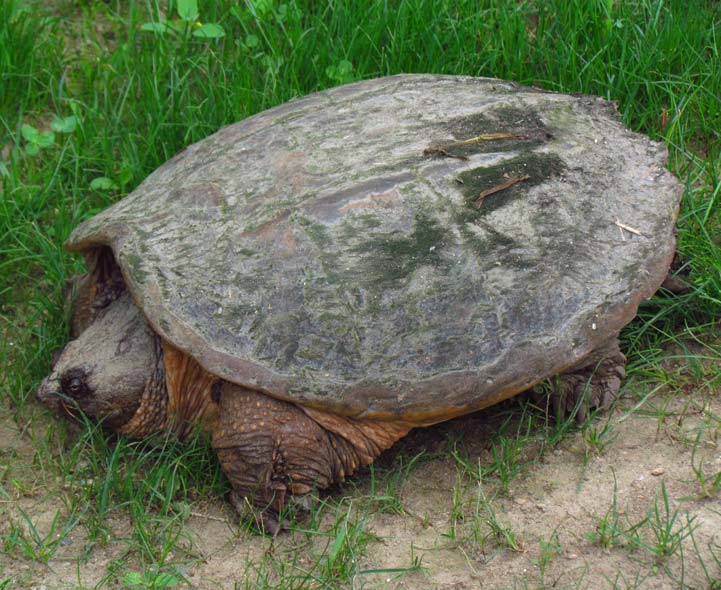
Photograph courtesy of D. Gordon E. Robertson
New Jersey
Ohio
Delaware
New York
- Order: Testudines
- Family: Chelydridae
- Genus: Chelydra
- Species: C. serpentina
- Snapping turtles have evolved the ability to snap because they are too large to hide in their own shells when confronted.
- In some areas they are hunted very heavily for their meat, a popular ingredient in turtle soup.
It was voted for by the state's public elementary school children
8 .
Which TV sitcom features a tortoise at the start and end of each episode?
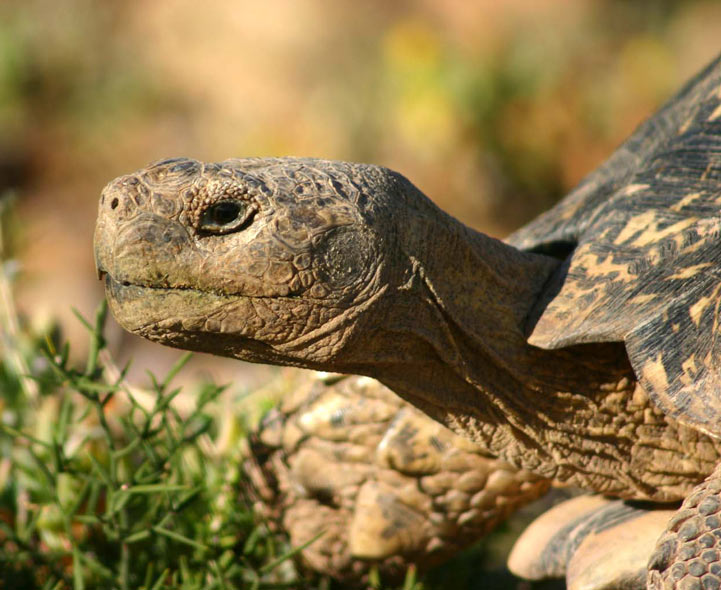
Photograph courtesy of Charlesjsharp
Early Doors
Dinnerladies
One Foot in the Grave
Only Fools and Horses
- Order: Testudines
- Suborder: Cryptodira
- Superfamily: Testudinoidea
- Family: Testudinidae
- Tortoises generally have lifespans comparable with those of human beings, although some have lived three times as long!
- Giant tortoises move very slowly on dry land, at only 0.17 miles per hour (0.27 km/h).
9 .
Can you name this reptile?
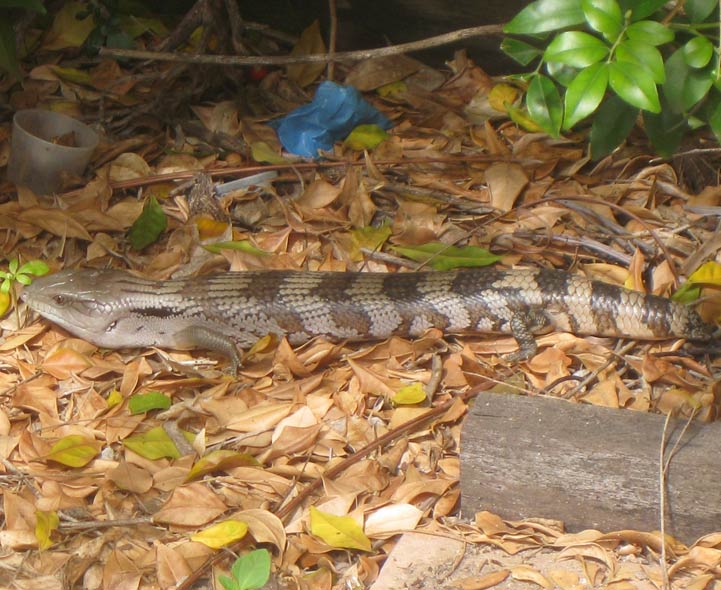
Photograph courtesy of Theduong
Skink
Tegus
Night Lizard
Agama
- Order: Squamata
- Suborder: Scleroglossa
- Infraorder: Scincomorpha
- Family: Scincidae
- Most species have no pronounced neck and their legs are relatively small.
- As a family, they are cosmopolitan; species occur in a variety of habitats worldwide, apart from boreal and polar regions.
- One particular species has green blood.
10 .
Iguanas have a 'third' eye on their head. What is this eye called?
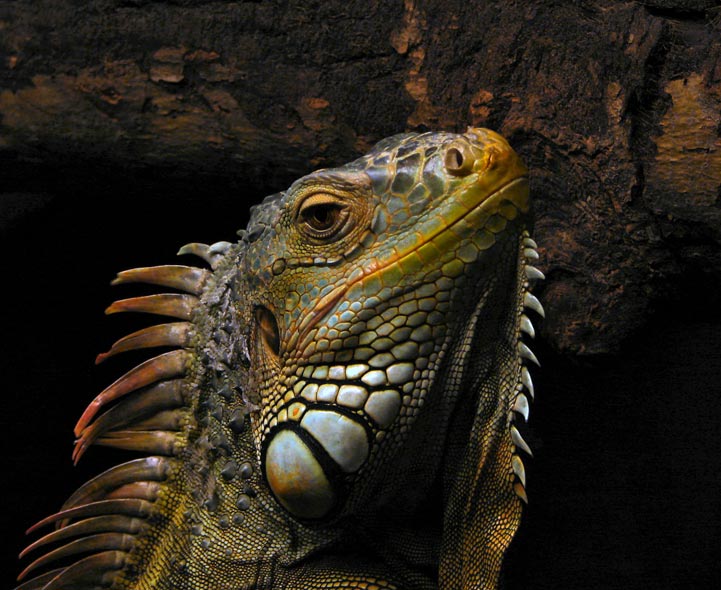
Photograph courtesy of Bjørn Christian Tørrissen
Parietal eye
Varietal eye
Territorial eye
Tyrannical eye
- Order: Squamata
- Suborder: Iguania
- Family: Iguanidae
- Genus: Iguana
- A herbivorous lizard native to tropical areas of Central America, China and the Caribbean.
- Have excellent vision and can see shapes, shadows, colours and movement at long distances.
- Are often hard to spot, as they tend to blend into their surroundings.
It is usually associated with the pineal gland, regulating circadian rhythmicity and hormone production for thermoregulation



**Unlimited Quizzes Await You! 🚀**
Hey there, quiz champ! 🌟 You've already tackled today's free questions.
Ready for more?
Ready for more?
🔓 Unlock UNLIMITED Quizzes and challenge yourself every day. But that's
not all...
not all...
🔥 As a Subscriber you can join our thrilling "Daily Streak" against other
quizzers. Try to win a coveted spot on our Hall of Fame Page.
quizzers. Try to win a coveted spot on our Hall of Fame Page.
Don't miss out! Join us now and keep the fun rolling. 🎉
**Unlimited Quizzes Await You! 🚀**
Hey there, quiz champ! 🌟 You've already tackled today's free questions. Ready for more?
🔓 Unlock UNLIMITED Quizzes and challenge yourself every day. But that's not all...
🔥 As a Subscriber you can join our thrilling "Daily Streak" against other quizzers. Try to win a coveted spot on our Hall of Fame Page.
Don't miss out! Join us now and keep the fun rolling. 🎉




© Copyright 2016-2026 - Education Quizzes
Work Innovate Ltd - Design | Development |
Marketing
