




Ask the AI Tutor
Need help with British Birds - Garden Birds 01 - Most Common? Ask our AI Tutor!
AI Tutor - Lucy
Connecting with Tutor...
Please wait while we establish connection
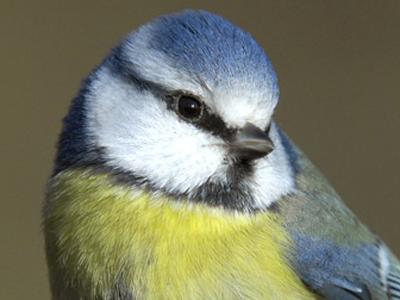
Both sexes of this bird have similar colouring but the females are slightly paler. What is it?
British Birds - Garden Birds 01 - Most Common
Spot the UK’s most common garden birds by colour, call and behaviour. From feeders to hedges, learn where they live and what they eat.
To see a larger image, click on the picture.
1 .
What is this common garden bird?
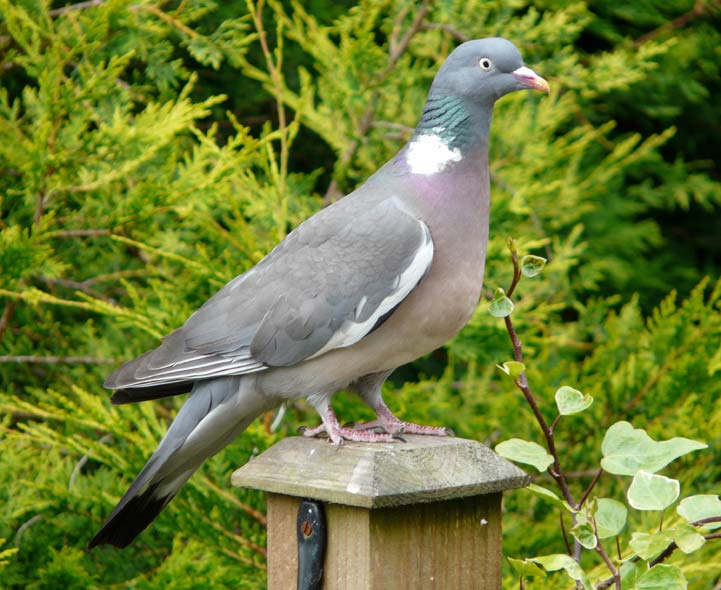
Photograph courtesy of Tristan Ferne
Mealy Redpoll
Wood Pigeon
Bearded Tit
Pied Flycatcher
- Group: Pigeons and Doves
- Binomial: Columba palumbus
- Order: Columbiformes
- Family: Columbidae
- Status: Resident Breeding Species
- Birds have a prominent white area around their neck, eyes are bright yellow and legs and bills are pink
- On the ground they "Waddle"!
- In frosty weather huge flocks devour farmers crops
2 .
What is this common garden bird?
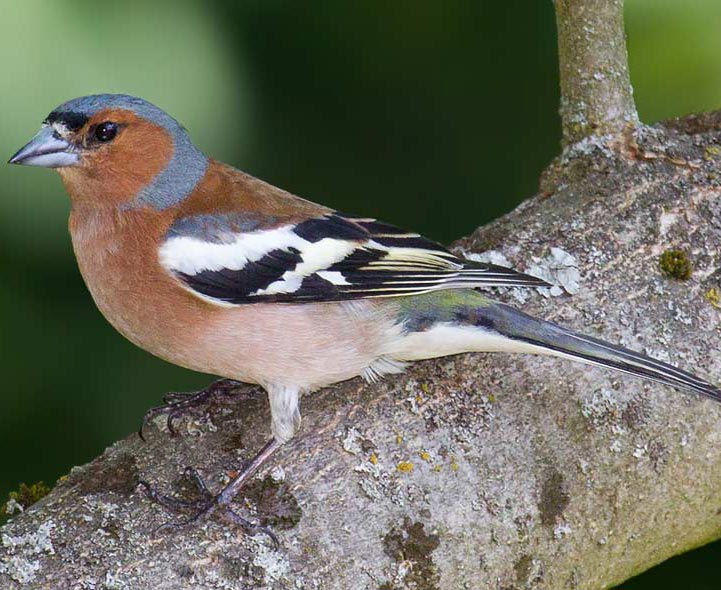
Photograph courtesy of http://www.photo-natur.de/
Chaffinch
European Goldfinch
Eurasian Bullfinch
Common Crossbill
- Group: Finches
- Binomial: Fringilla coelebs
- Order: Passeriformes
- Family: Fringillidae
- Status: Resident Breeding Species
- Look for the distinctive white wing bars on both males and females
- Females and young have more subdued colours
- The most common finch found in the British Isles
3 .
What is this common garden bird?
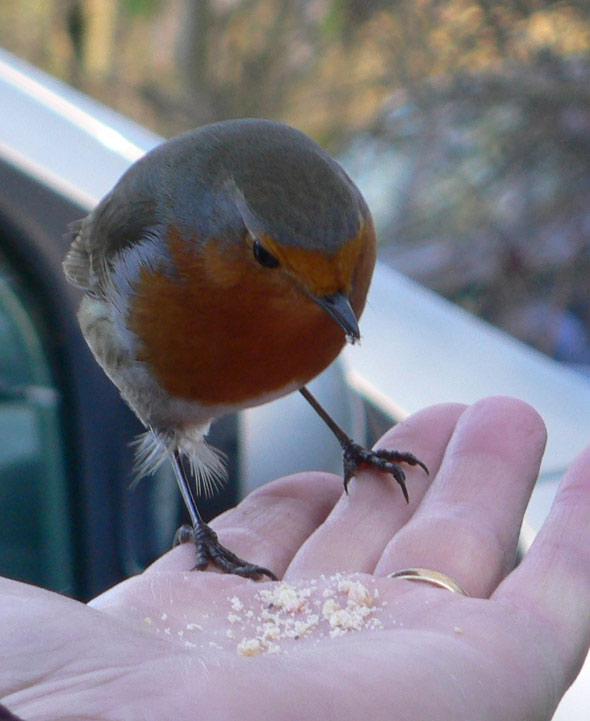
Photograph courtesy of Jimfbleak
European Robin
European Stonechat
Song Thrush
Fieldfare
- Group: Thrushes
- Binomial: Erithacus rubecula
- Order: Passeriformes
- Family: Turdidae
- Status: Resident Breeding Species
- Males and females are identical but youngsters are a speckled brown with no red feathers
- Fiercely territorial
- They have an excellent voice and sometimes sing at night to streetlights
4 .
What is this common garden bird?
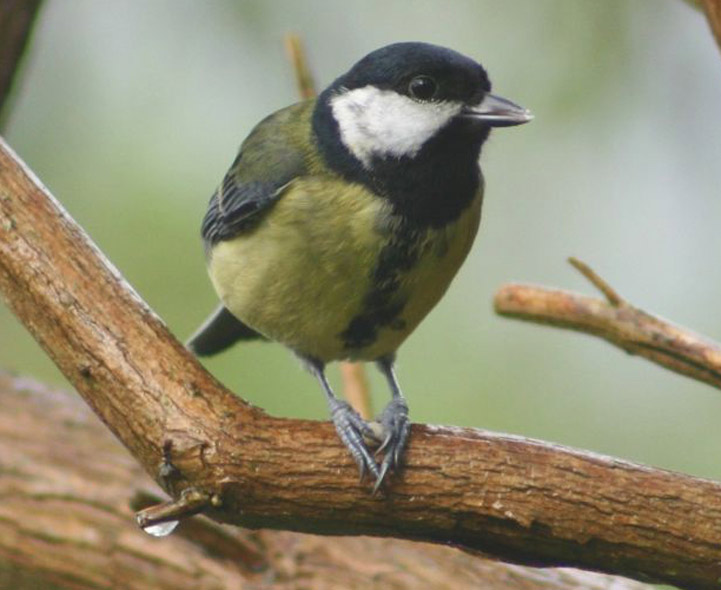
Photograph courtesy of Barney Livingston
Willow Tit
Blue Tit
Great Tit
Green Woodpecker
- Group: Tits
- Binomial: Parus major
- Order: Passeriformes
- Family: Paridae
- Status: Resident Breeding Species
- The largest of the UK tits
- There is a prominent black stripe down the whole of the front
- Widely distributed in the UK but not found on the Northern and Western Isles of Scotland
5 .
What is this common garden bird?
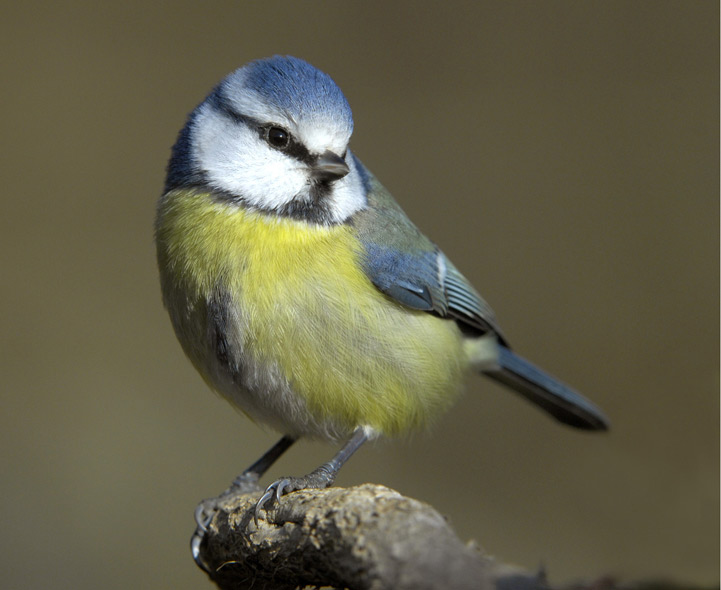
Photograph courtesy of Maximilian Dorsch
Willow Tit
Greater Spotted Woodpecker
Marsh Tit
Blue Tit
- Group: Tits
- Binomial: Parus caeruleus
- Order: Passeriformes
- Family: Paridae
- Status: Resident Breeding Species
- Both sexes have similar colouring but the females are slightly paler
- Smaller than the Great Tit and without the prominent black stripe down its front
- It does not migrate
6 .
What is this common garden bird?
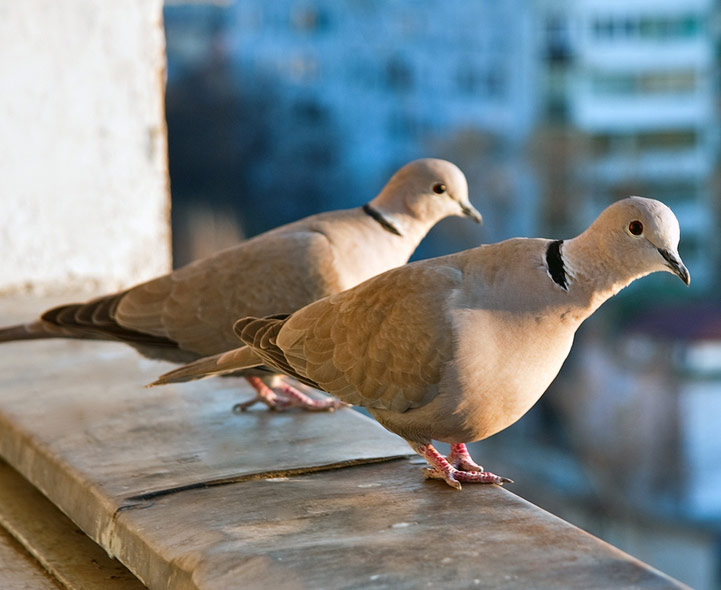
Photograph courtesy of Horia Varlan
Shore Lark
Common Pied Oystercatcher
Ring Ouzel
Collared Dove
- Group: Pigeons and Doves
- Binomial: Streptopelia decaocto
- Order: Columbiformes
- Family: Columbidae
- Status: Resident Breeding Species
- Adults have a black and white collar around the back of the neck but this is missing in young birds
- Very uncommon in the UK until the mid 1900's - now one of our most often seen birds
7 .
What is this common garden bird?
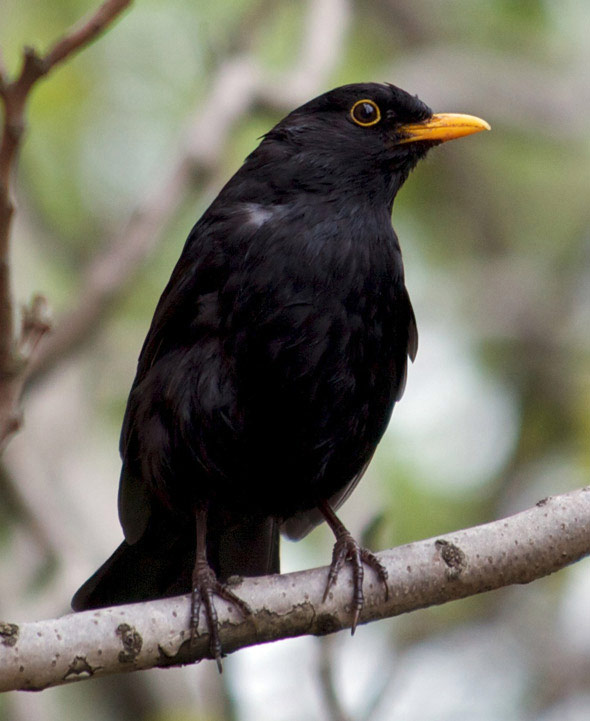
Photograph courtesy of Pete Birkinshaw
Song Thrush
European Stonechat
Blackbird
Fieldfare
- Group: Thrushes
- Binomial: Turdus merula
- Order: Passeriformes
- Family: Turdidae
- Status: Resident Breeding Species
- Mature males are glossy black but females and young are a lighter reddish-brown
- Albinism leads to the contradictory terminology of "White Blackbirds" but birds are seldom completely white
8 .
What is this common garden bird?
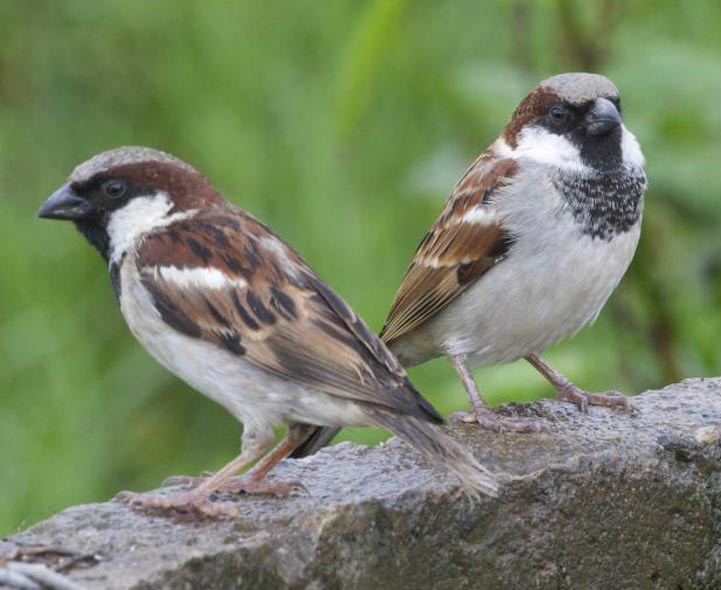
Photograph courtesy of Lip Kee
Tree Sparrow
Reed Bunting
House Sparrow
Yellowhammer
- Group: Sparrows
- Binomial: Passer domesticus
- Order: Passeriformes
- Family: Passeridae
- Status: Resident Breeding Species
- Once common throughout the UK but now in decline in many areas
- The size of the black bib determines the bird's dominance within its community
- It is normally found wherever there is a concentration of people
9 .
What is this common garden bird?
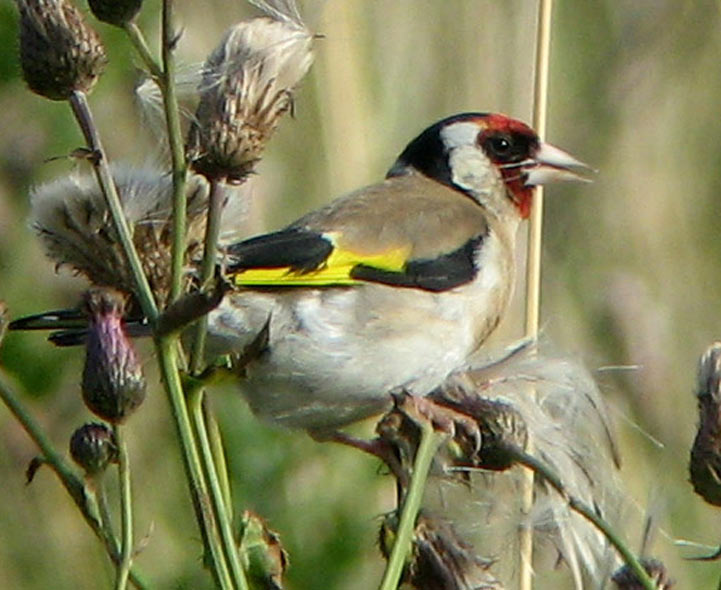
Photograph courtesy of MPF
Eurasian Bullfinch
Eurasian Siskin
European Goldfinch
Lesser Redpoll
- Group: Finches
- Binomial: Carduelis carduelis
- Order: Passeriformes
- Family: Fringillidae
- Status: Resident Breeding Species
- Look for the bright red face and striking white, gold, black and brown on the rest of the body
- A group of them are called a "Charm"
- Put out Niger seed to attract them to your birdtable
10 .
What is this common garden bird?
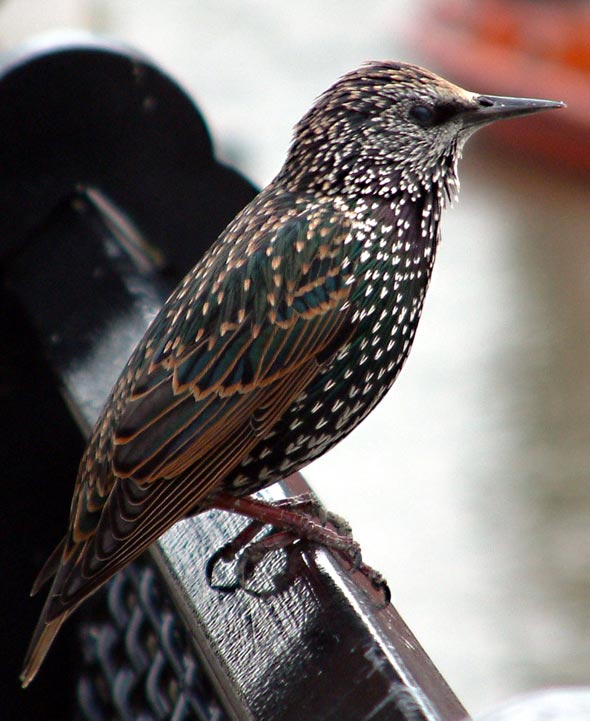
Photograph courtesy of Paul Lomax
Yellowhammer
Common Starling
Reed Bunting
Dunnock
- Group: Starlings
- Binomial: Sturnus vulgaris
- Order: Passeriformes
- Family: Sturnidae
- Status: Resident Breeding Species And Winter Visitor
- The base of their bills are blue for boys and pink for girls!
- In the autumn massive flocks congregate in what are known as "murmurations"



**Unlimited Quizzes Await You! 🚀**
Hey there, quiz champ! 🌟 You've already tackled today's free questions.
Ready for more?
Ready for more?
🔓 Unlock UNLIMITED Quizzes and challenge yourself every day. But that's
not all...
not all...
🔥 As a Subscriber you can join our thrilling "Daily Streak" against other
quizzers. Try to win a coveted spot on our Hall of Fame Page.
quizzers. Try to win a coveted spot on our Hall of Fame Page.
Don't miss out! Join us now and keep the fun rolling. 🎉
**Unlimited Quizzes Await You! 🚀**
Hey there, quiz champ! 🌟 You've already tackled today's free questions. Ready for more?
🔓 Unlock UNLIMITED Quizzes and challenge yourself every day. But that's not all...
🔥 As a Subscriber you can join our thrilling "Daily Streak" against other quizzers. Try to win a coveted spot on our Hall of Fame Page.
Don't miss out! Join us now and keep the fun rolling. 🎉




© Copyright 2016-2026 - Education Quizzes
Work Innovate Ltd - Design | Development |
Marketing
