Ask the AI Tutor
Need help with Year 2 - Spelling Review 1? Ask our AI Tutor!
AI Tutor - Lucy
Connecting with Tutor...
Please wait while we establish connection
AI Tutor - Lucy

This spelling review helps you practise Year 2 patterns, tricky words, and neat punctuation. Try to spot the rule before you choose your answer.
|
|
||||||||||||||||||||||||
|
|
||||||||||||||||||||||||
|
|
||||||||||||||||||||||||
|
|
||||||||||||||||||||||||
|
|
You can find more about this topic by visiting BBC Bitesize - Spelling
This spelling pattern looked at the 'il' sound when it made an 'al' sound instead.
|
This word has a silent 'g'.
|
||||||||||||||||||||||||
If you are changing the root word, like happy, and it ends in a 'y' - we replace the 'y' for an 'i'.
|
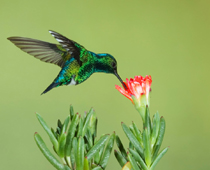
It happens to be a hummingbird. The word 'hum' has a short vowel sound, so we need to double the last letter then add 'ing'.
|
||||||||||||||||||||||||
The apostrophe replaces the missing 'o'.
|
By adding the suffix 'ful' we are saying that he was full of pain!
|
||||||||||||||||||||||||
You can see plenty of modern art at the Tate Modern in London and admission is free.
|
We need to add 'd' then 'est' onto the word 'sad'.
|
||||||||||||||||||||||||
Here we are joining the words would and not together but erasing the 'o'.
|
The end of station sounds like 'shun' but is spelt 'tion'.
|