Ask the AI Tutor
Need help with Adjectives 1? Ask our AI Tutor!
AI Tutor - Lucy
Connecting with Tutor...
Please wait while we establish connection
AI Tutor - Lucy

Discover how adjectives make sentences more exciting by adding detail about how things look, feel, and sound, helping readers picture people, places, and objects clearly.
|
|
||||||||||||||||||||||||
|
|
||||||||||||||||||||||||
|
|
||||||||||||||||||||||||
|
|
||||||||||||||||||||||||
|
|
You can find more about this topic by visiting BBC Bitesize - What are adjectives?
An adjective is a word that describes a noun.
|
A lorry can also be called a truck.
|
||||||||||||||||||||||||
The adjective doesn't need to be next to the noun, just in the same sentence.
|
The dress can be described as beautiful, long and red. You can use more than one adjective to describe something.
|
||||||||||||||||||||||||
The word 'bear' is the noun and all the others are ways you can describe it.
|
One of the most famous pirates was called Blackbeard.
|
||||||||||||||||||||||||
The word walking is a verb and the other two, cliff and mountain, are nouns. If I wrote Mount Everest, then that's the proper name for the mountain and is called a proper noun.
|
We could describe the baby as adorable, cute or pretty. If we describe him as Matthew, then we are giving his name, which is not a description.
|
||||||||||||||||||||||||
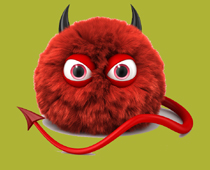
If I write: 'The monster walked towards me' it doesn't give me any details and I can't imagine it. If I write: 'The red, scary and angry monster walked towards me' it sounds much more interesting.
|
The dog is the noun and all the other words describe what he is like, either in appearance or character.
|