Ask the AI Tutor
Need help with Connectives? Ask our AI Tutor!
AI Tutor - Lucy
Connecting with Tutor...
Please wait while we establish connection
AI Tutor - Lucy

Discover how connectives like because, so and when join ideas and explain reasons, helping KS1 writers turn simple sentences into clear, interesting stories.
|
|
||||||||||||||||||||||||
|
|
||||||||||||||||||||||||
|
|
||||||||||||||||||||||||
|
|
||||||||||||||||||||||||
|
|
You can find more about this topic by visiting BBC Bitesize - Using coordinating conjunctions
These connectives would all oppose or disagree with the first part of a sentence.
|
Again, these are all connectives that disagree with the first part of the sentence.
|
||||||||||||||||||||||||
Connectives work in the same way as a conjunction. They are words that link two clauses (or sentences) together.
|
Remember that the two sentences you are joining should still make sense when put together.
|
||||||||||||||||||||||||
The first coins were made around 2,500 years ago.
|
The word 'yet' means 'despite', so here it is saying they loved maths but....then something to do with them not liking it - that's why it's an opposing connective.
|
||||||||||||||||||||||||
As you can see, there are many connectives and conjunctions available, so make sure you write two clause sentences with one in!
|
We have different names for types of clouds.
|
||||||||||||||||||||||||
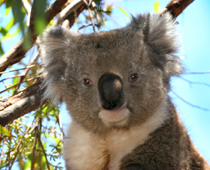
Koala bears have long claws to help them climb trees.
|
When you join two sentences make sure you still only have one capital letter for the beginning of the sentence and one full stop at the end.
|