Ask the AI Tutor
Need help with Indefinite Articles 'A' or 'An'? Ask our AI Tutor!
AI Tutor - Lucy
Connecting with Tutor...
Please wait while we establish connection
AI Tutor - Lucy

Learn when to use a or an in KS1 English. Spot the starting sound of each word so your sentences are smooth and correct.
|
|
||||||||||||||||||||||||
|
|
||||||||||||||||||||||||
|
|
||||||||||||||||||||||||
|
|
||||||||||||||||||||||||
|
|
Great! Now you know the five vowels, you'll know to write 'an' in front of a word that starts with one.
|
The word 'apple' begins with an 'a', which is a vowel. Because the word begins with a vowel, we would write 'an apple'.
|
||||||||||||||||||||||||
An elk is a type of deer.
|
These are the colours of the rainbow. All the other colours would have 'a' in front of them, like 'a blue coat'.
|
||||||||||||||||||||||||
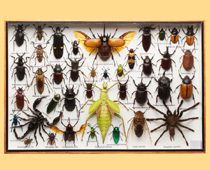
Most insects hatch from eggs.
|
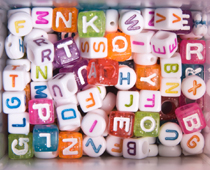
We could say it is an assortment of toys, or a toy.
|
||||||||||||||||||||||||
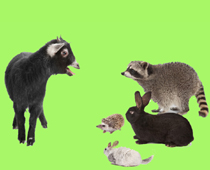
We would say 'a seal' and all the others begin with a vowel and would have 'an' in front of them.
|
We would write 'a tired woman'. The term for learning about 'a' or 'an' is called the indefinite article.
|
||||||||||||||||||||||||
We would normally put the indefinite article in front of a noun or an adjective.
|
The words 'a' and 'an' mean one, so if you are writing about roses, you wouldn't use either indefinite article.
|