Ask the AI Tutor
Need help with Letters - Vowels? Ask our AI Tutor!
AI Tutor - Lucy
Connecting with Tutor...
Please wait while we establish connection
AI Tutor - Lucy

Discover the vowels a, e, i, o, u. Spot their sounds in words, use them to rhyme, and become more confident with KS1 English reading and spelling.
|
|
||||||||||||||||||||||||
|
|
||||||||||||||||||||||||
|
|
||||||||||||||||||||||||
|
|
||||||||||||||||||||||||
|
|
You can find more about this topic by visiting BBC Bitesize - What are vowels and consonants?
There are five vowels and 'a' is the first one on the list.
|
The letter 'e' is the next vowel on the list.
|
||||||||||||||||||||||||
'Y' is not a vowel but it sometimes acts the same way, especially when spelling certain words.
|
The vowels never change. In the English language, these will always be the only vowels we have and use.
|
||||||||||||||||||||||||
A good way to remember all five is by imagining someone saying: 'Aye!' 'Eee' 'I owe you' - or 'Aye, I owe you' - as in, I owe you something - I owe you a vowel!
|
Vowels are an important part of every word. Many of the phonic sounds include two vowels, like 'ee' in the word 'sheep'.
|
||||||||||||||||||||||||
The word 'queueing' is one of a few words that contains the most vowels.
|
This is why 'y' is sometimes considered to be a vowel. If a word doesn't have a vowel in it, then it's likely to have a 'y' in there instead.
|
||||||||||||||||||||||||
We say the vowels in alphabetical order.
|
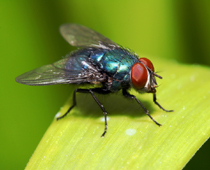
House flies can move their wings 200 times a second!
|