Ask the AI Tutor
Need help with Past Tense - Gave or Given? Ask our AI Tutor!
AI Tutor - Lucy
Connecting with Tutor...
Please wait while we establish connection
AI Tutor - Lucy

Learn when to use gave and given so your KS1 sentences sound neat, correct, and confident when talking about things already shared, handed, or passed on.
|
|
||||||||||||||||||||||||
|
|
||||||||||||||||||||||||
|
|
||||||||||||||||||||||||
|
|
||||||||||||||||||||||||
|
|
You can find more about this topic by visiting BBC Bitesize - What are past, present and future tense?
The words has, was and have can all go in front of the word 'given' to help it make sense.
|
We could say he is given something, they were given something and he had given her something. They are all helping words.
|
||||||||||||||||||||||||
We can use gave or if you use 'given' then you have to add a helping word.
|
The word 'be' in the sentence above is the helping word.
|
||||||||||||||||||||||||
The missing word for the top answer is 'gave'.
|
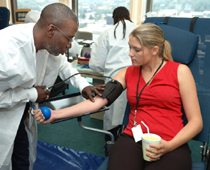
Many adults give blood to hospitals; this blood is then used in emergencies and helps save lives.
|
||||||||||||||||||||||||
Many people go to a bank to get advice on how to invest their money.
|
Some people give money away to charity. There are many types of charities available. You could give money to help animals or people.
|
||||||||||||||||||||||||
This is a picture of seagulls. Seagulls are the only birds that can drink fresh and salt water.
|
The word 'she'd' is actually two words pushed together; she and had. The first sentence, therefore, says 'She had given all the plates to her neighbour,' making it the correct answer.
|