Ask the AI Tutor
Need help with Poetry - Acrostic Poems? Ask our AI Tutor!
AI Tutor - Lucy
Connecting with Tutor...
Please wait while we establish connection
AI Tutor - Lucy

Acrostic poems hide messages down the side. Each line begins with a letter from a word, creating fun picture-poems KS1 children love to read and write.
|
|
||||||||||||||||||||||||
|
|
||||||||||||||||||||||||
|
|
||||||||||||||||||||||||
|
|
||||||||||||||||||||||||
|
|
The first line would have to begin with s, then the second would be u and the last line would begin with n.
|
The second sentence in the poem would have to begin with e.
|
||||||||||||||||||||||||
Carpets can't be moved, whereas a rug can.
|
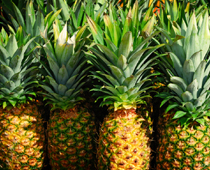
It takes three years for a pineapple to grow so that it's ready to be eaten.
|
||||||||||||||||||||||||
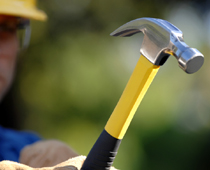
In Norse mythology, the god Thor carries a hammer.
|
When we write an acrostic poem, we have to make sure the lines or sentences we write are still to do with the word. So each line we would write in this poem should be about rainbows.
|
||||||||||||||||||||||||
Every line will begin with a capital letter.
|
When you finish a line in poetry, you don't have to add punctuation. This means, you don't have to end each line with a full stop if you don't want to!
|
||||||||||||||||||||||||
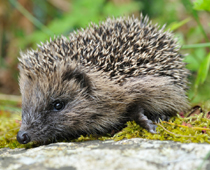
The other h option is wrong because it doesn't make sense. Each line has to be about the word hedgehog. It could say what they are like, how they sound - anything.
|
This one was a little tricky - you had to pick the answer that made the most sense and was somehow related to palm trees and the picture.
|