Ask the AI Tutor
Need help with Prepositions 1? Ask our AI Tutor!
AI Tutor - Lucy
Connecting with Tutor...
Please wait while we establish connection
AI Tutor - Lucy

Prepositions are little position words. They tell us where things are, like on the table, under the chair or behind the door, helping KS1 children follow instructions.
|
|
||||||||||||||||||||||||
|
|
||||||||||||||||||||||||
|
|
||||||||||||||||||||||||
|
|
||||||||||||||||||||||||
|
|
You can find more about this topic by visiting BBC Bitesize - What is a preposition?
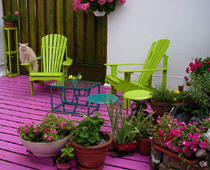
The word 'on' tells us the position of the cat.
|
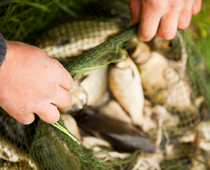
They are in the net and so, the place they are is 'inside' or 'in'.
|
||||||||||||||||||||||||
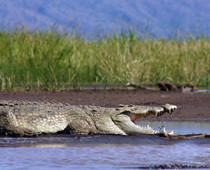
The word 'into' is the preposition because that is the position he is going. A preposition tells you how one thing relates to the other, so how the crocodile relates to the river.
|
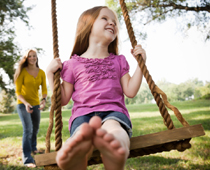
You go on swings because you sit on top of them.
|
||||||||||||||||||||||||
The words 'under,' 'by' and 'above' are all prepositions, however, in these sentences they aren't quite right. The picture shows the cars on the bridge, not under it. They weren't by or beside the bridge as they were on it and they weren't above the bridge as this would suggest there is a gap between the bridge and the cars.
|
The first three answers tell you the position of something.
|
||||||||||||||||||||||||
Prepositions can be: in, by, on, under, above, off, up and into.
|
If you use the preposition 'in' then it is inside something.
|
||||||||||||||||||||||||
We are saying the man jumped into the river - so we are relating/explaining the relationship between the man and the river.
|
We are linking the words 'she' and his back, so linking the person with the place.
|