Ask the AI Tutor
Need help with Punctuation? Ask our AI Tutor!
AI Tutor - Lucy
Connecting with Tutor...
Please wait while we establish connection
AI Tutor - Lucy

Good punctuation helps your writing make sense. In KS1, children learn about spaces, capital letters and end marks that guide readers through every sentence.
|
|
||||||||||||||||||||||||
|
|
||||||||||||||||||||||||
|
|
||||||||||||||||||||||||
|
|
||||||||||||||||||||||||
|
|
Every sentence must end with a full stop, question or exclamation mark.
|
Speech marks should only be used when someone is talking. There should be two sets of speech marks - one to show when they are speaking and one set to show they have finished.
|
||||||||||||||||||||||||
Because we are listing places, we need to include commas and, of course, a full stop at the end of the sentence.
|
When you do end a sentence, make sure you only have one full stop. That means either a full stop, a question mark or an exclamation mark.
|
||||||||||||||||||||||||
Somebody is speaking, we know this because we have the words 'she said'. This means we need speech marks and a full stop to show the end of the sentence.
|
Because he shouted this fact, we would use an exclamation mark.
|
||||||||||||||||||||||||
Make sure you only have a full stop when the sentence ends.
|
St. Patrick's Day is on the 17th March and celebrated by Irish people around the world.
|
||||||||||||||||||||||||
Yes it is!
|
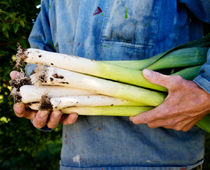
The leek is a symbol of Wales!
|