Lucy
Ask the AI Tutor
Need help with Synonyms 2? Ask our AI Tutor!
Lucy AI Tutor - Lucy
Connecting with Tutor...
Please wait while we establish connection
Lucy
Hi! I'm Lucy, your AI tutor. How can I help you with Synonyms 2 today?
now
Logo

English Quiz - Synonyms 2 (Questions)

Level up your word choices by swapping simple words for stronger synonyms that match your meaning exactly.

Explore the Topic →
(quiz starts below)

Fascinating Fact:

Synonyms make writing colourful, swapping happy for glad, cheerful or joyful.

In KS1 English, exploring synonyms helps children choose the best word for each sentence. By trying different options, young writers make their stories clearer, livelier and more enjoyable to read.

  • Synonym: A word with a similar meaning to another word, such as small and little.
  • Antonym: A word with the opposite meaning, like hot and cold.
  • Thesaurus: A book or tool that groups words with similar meanings together.
What are synonyms in simple terms for KS1?

For KS1, synonyms are words that mean almost the same thing, like happy and cheerful. Choosing a good synonym can make a sentence more interesting.

How do synonyms help improve my child’s writing?

Synonyms help children avoid repeating the same word and choose words that fit the feeling or idea better, making their stories clearer and more fun to read.

What is the difference between a synonym and an antonym?

A synonym has a similar meaning, like fast and quick. An antonym has the opposite meaning, like fast and slow.

To see a larger image, click on the picture.
1. 'He is a wealthy man.' Which word can we use instead of 'wealthy'?
[ ] stop
[ ] horrible
[ ] happy
[ ] rich
2. 'The concert will commence at 8 o'clock.' Which word can we use instead of 'commence'?
[ ] begin
[ ] end
[ ] noise
[ ] happy
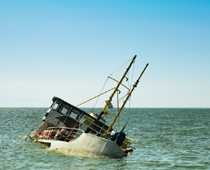
3. 'The ship was in great peril.' Which word can we use instead of 'peril'?
[ ] water
[ ] condition
[ ] danger
[ ] form
4. 'She wasn't feeling very well and felt drowsy.' Which word can we use instead of 'drowsy'?
[ ] sleepy
[ ] poorly
[ ] sick
[ ] unhappy
5. 'The wool is very coarse.' Which word can we use instead of 'coarse'?
[ ] pretty
[ ] soft
[ ] rough
[ ] comfortable
6. 'Please purchase a new car.' Which word can we use instead of 'purchase'?
[ ] sell
[ ] hide
[ ] clean
[ ] buy
7. 'The officer was very courageous.' Which word can we use instead of 'courageous'?
[ ] scared
[ ] proud
[ ] brave
[ ] sad
8. 'He has gone insane.' Which word can we use instead of 'insane'?
[ ] crazy
[ ] sad
[ ] round
[ ] boring
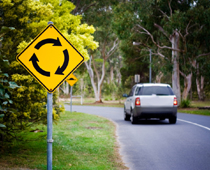
9. 'Please move in a circular motion.' Which word can we use instead of 'circular'?
[ ] round
[ ] square
[ ] straight
[ ] curved
10. 'He manufactured lego.' Which word can we use instead of 'manufactured'?
[ ] makes
[ ] made
[ ] bought
[ ] sold

You can find more about this topic by visiting BBC Bitesize - What are synonyms and antonyms?

Logo
English Quiz - Synonyms 2 (Answers)
1. 'He is a wealthy man.' Which word can we use instead of 'wealthy'?
[ ] stop
[ ] horrible
[ ] happy
[x] rich
The word wealthy means rich, they both mean he has lots of money.
2. 'The concert will commence at 8 o'clock.' Which word can we use instead of 'commence'?
[x] begin
[ ] end
[ ] noise
[ ] happy
Commence and begin mean the same thing as the word start.
3. 'The ship was in great peril.' Which word can we use instead of 'peril'?
[ ] water
[ ] condition
[x] danger
[ ] form
Another ship or liner that was in great peril was the Titanic, which sank in 1912.
4. 'She wasn't feeling very well and felt drowsy.' Which word can we use instead of 'drowsy'?
[x] sleepy
[ ] poorly
[ ] sick
[ ] unhappy
Newborn babies sleep for around sixteen hours a day, as they get older they sleep less and less.
5. 'The wool is very coarse.' Which word can we use instead of 'coarse'?
[ ] pretty
[ ] soft
[x] rough
[ ] comfortable
The fleece from sheep is shaved and used to make wool; we have been using their wool since the Stone Age.
6. 'Please purchase a new car.' Which word can we use instead of 'purchase'?
[ ] sell
[ ] hide
[ ] clean
[x] buy
Some cars used to have only three wheels!
7. 'The officer was very courageous.' Which word can we use instead of 'courageous'?
[ ] scared
[ ] proud
[x] brave
[ ] sad
We could say he is brave, courageous, fearless, gallant, heroic and valiant. All these words mean the same thing.
8. 'He has gone insane.' Which word can we use instead of 'insane'?
[x] crazy
[ ] sad
[ ] round
[ ] boring
We say someone has gone crazy if we mean they are doing something unusual. When we say this, we don't actually think they are crazy or insane - this is called a manner of speech, we are saying it to make a point but we don't mean it literally.
9. 'Please move in a circular motion.' Which word can we use instead of 'circular'?
[x] round
[ ] square
[ ] straight
[ ] curved
The word 'circular' comes from the word 'circle'.
10. 'He manufactured lego.' Which word can we use instead of 'manufactured'?
[ ] makes
[x] made
[ ] bought
[ ] sold
If we were replacing 'manufactures' then it would be 'makes', however, we are using the past tense and so it's 'made'.