Ask the AI Tutor
Need help with Verbs - Past Tense (Adding 'ed')? Ask our AI Tutor!
AI Tutor - Lucy
Connecting with Tutor...
Please wait while we establish connection
AI Tutor - Lucy

Discover how adding -ed turns jump into jumped and play into played, helping you talk clearly about things that already happened.
|
|
||||||||||||||||||||||||
|
|
||||||||||||||||||||||||
|
|
||||||||||||||||||||||||
|
|
||||||||||||||||||||||||
|
|
You can find more about this topic by visiting BBC Bitesize - What are past, present and future tense?
We can only add 'ed' to the end of verbs, doing words.
|
'Jump' is the verb and if she did it yesterday, she jumped.
|
||||||||||||||||||||||||
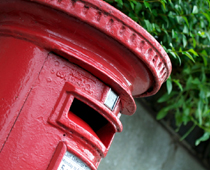
The word 'post' is a verb and 'posted' means you've already done it.
|
You can push the dominoes over, which means you pushed them.
|
||||||||||||||||||||||||
To change 'touch' into the past tense, you would write 'touched'.
|
The word 'partying' suggests it is happening now.
|
||||||||||||||||||||||||
If the verb already ends with an 'e', like 'cuddle' then you just add 'd'.
|
Because the 'o' sound is considered a short vowel sound, we double the 'p' then add 'ed'.
|
||||||||||||||||||||||||
To change 'drip' to the past tense, we double the end letter, then add 'ed'.
|
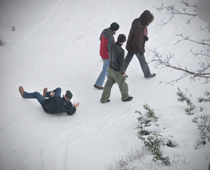
The verbs were 'walk', 'skid' and 'dance'.
|