|
1.
|
Find the adjectives in the sentence.
The Queen lived in a grand palace. 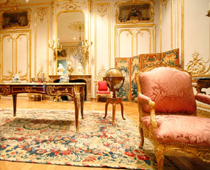
|
|
| [ ] |
Queen |
| [ ] |
lived |
| [ ] |
grand |
| [ ] |
palace |
|
|
|
2.
|
Find the adjectives in the sentence.
The forest was dark and spooky. 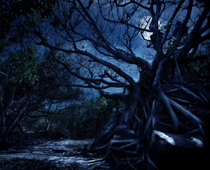
|
|
| [ ] |
The, was |
| [ ] |
forest, spooky |
| [ ] |
was, and |
| [ ] |
dark, spooky |
|
|
|
3.
|
Find the adjectives in the sentence.
The sound of the drill was terribly loud. 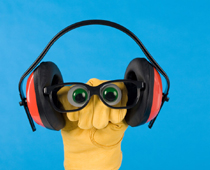
|
|
| [ ] |
sound |
| [ ] |
drill |
| [ ] |
terribly |
| [ ] |
loud |
|
|
|
4.
|
Find the adjectives in the sentence.
The frightened little dog couldn't stop shivering. 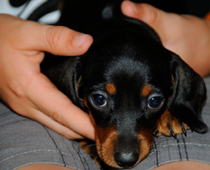
|
|
| [ ] |
frightened, little |
| [ ] |
little, dog |
| [ ] |
couldn't, shivering |
| [ ] |
stop, shivering |
|
|
|
5.
|
Find the adjectives in the sentence.
They wanted sunny weather for an enjoyable picnic. 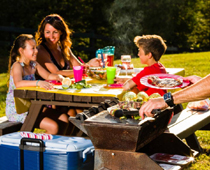
|
|
| [ ] |
They, wanted |
| [ ] |
wanted, weather |
| [ ] |
sunny, enjoyable |
| [ ] |
for, picnic |
|
|
|
6.
|
Find the adjectives in the sentence.
The tattered blue dress hung on the abandoned washing-line. 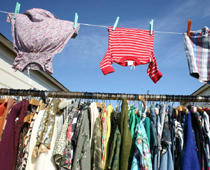
|
|
| [ ] |
The, blue, on |
| [ ] |
tattered, blue, abandoned |
| [ ] |
dress, hung, washing-line |
| [ ] |
on, the, abandoned |
|
|
|
7.
|
Find the adjectives in the sentence.
The old cat paused to lick its sticky paws. 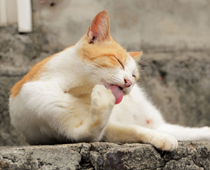
|
|
| [ ] |
old, sticky |
| [ ] |
cat, paws |
| [ ] |
The, lick |
| [ ] |
paused, paws |
|
|
|
8.
|
Find the adjectives in the sentence.
The shiny, new car drove slowly down the quiet street. 
|
|
| [ ] |
The, car, down |
| [ ] |
shiny, drove, street |
| [ ] |
new, slowly, street |
| [ ] |
shiny, new, quiet |
|
|
|
9.
|
Find the adjectives in the sentence.
The plant began to look brown and shrivelled after weeks without water. 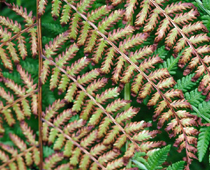
|
|
| [ ] |
plant, look |
| [ ] |
began, weeks |
| [ ] |
brown, shrivelled |
| [ ] |
after, without |
|
|
|
10.
|
Find the adjectives in the sentence.
Children often prefer sweet food to savoury. 
|
|
| [ ] |
Children, often |
| [ ] |
prefer, food |
| [ ] |
often, to |
| [ ] |
sweet, savoury |
|
|

