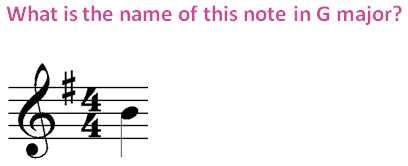
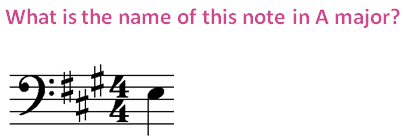
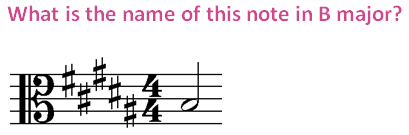
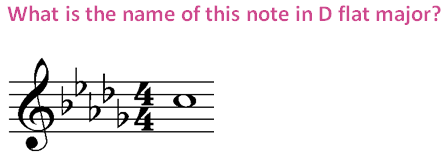
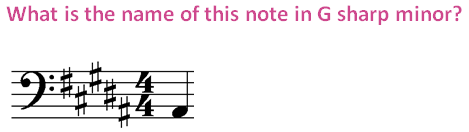
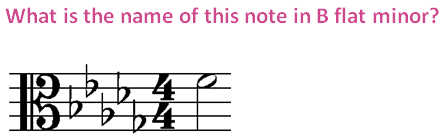
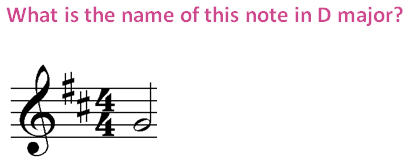
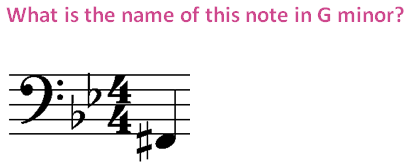
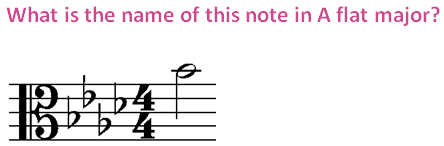
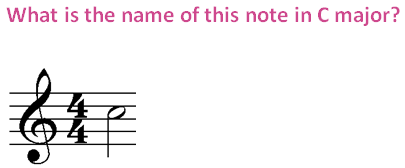
Fascinating Fact:
Interval naming follows letters first. C up to E is a third whether E flat, E, or E sharp. Quality changes later, size stays third.
In Specialist Music Theory, diatonic note names help you label intervals correctly. First count the letter steps (size), then apply accidentals to decide the quality (major, minor, perfect, augmented, diminished) in real music.
Key Terms
- Diatonic: Using the natural letter names within a key, counting by letter steps (A–B–C…).
- Interval Size: The number based on letter count, e.g., C to E is a third (C–D–E).
- Interval Quality: The type of third/fifth, etc. (major, minor, perfect, augmented, diminished) decided by semitone spacing.
Frequently Asked Questions (Click to see answers)
How do you work out an interval using diatonic note names?
Count the letters from the lower to the upper note to get the size, then check semitone distance to choose the quality (major, minor, perfect, augmented, or diminished).
What is the difference between interval size and quality?
Size is the number from letter counting (second, third, etc.). Quality describes pitch spacing in semitones, such as major, minor, perfect, augmented, or diminished.
Why keep the same letter names instead of using enharmonics?
Letter names show musical function. C–E must be some type of third; rewriting as C–F? changes the function. We use accidentals to adjust quality without changing size.
Try These Related Quizzes