Well done, you scored out of 10. Your Streak will increase and as a reward for completing the quiz, meet “Peanut and Butter” two of our favourite pets!
Bad Luck, you only scored out of 10. Your Streak will not increase but as a reward for completing the quiz, meet “Peanut and Butter” two of our favourite pets!
Music Theory Quiz - Grade 4 - Double Dots (Questions)
Double dots change note lengths. One dot adds half; two dots add three-quarters altogether. Learn how to count, tie across beats, and spot Baroque “double dotting” in context.
Explore the Topic →
(quiz starts below)
Fascinating Fact:
Baroque “double dotting” means lengthening dotted rhythms in performance. It is related in feel but not the same as a notated double dot.
In Specialist Music Theory, Grade 4 learners meet the double dot in notation and the Baroque idea of “double dotting” in performance. Notation changes exact duration; performance style changes feel. You’ll practise counting, tying across beats, and recognising both uses in real scores.
Key Terms
Augmentation dot: A dot after a note that adds half of the note’s value to itself.
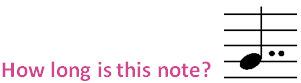
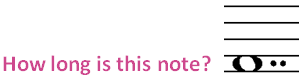
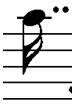
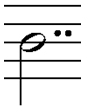
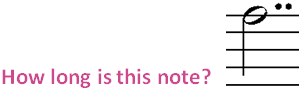
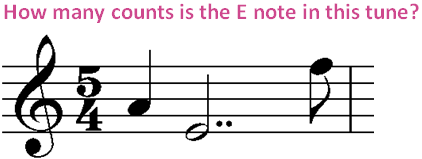
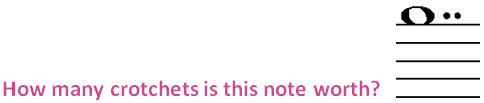
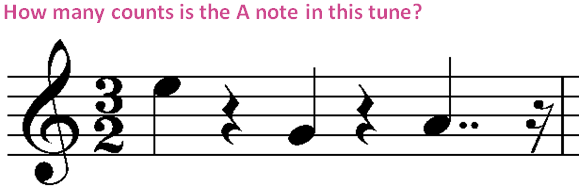
Double dot (notation): Two dots after a note; the first adds half, the second adds a quarter of the original note (total = 1¾ of the note).
Baroque “double dotting”: A performance practice of lengthening dotted rhythms beyond what is written, creating a sharper long–short effect.
Frequently Asked Questions (Click to see answers)
How long does a double-dotted note last?
A double-dotted note equals the original note plus half of it plus a quarter of it. For example, a double-dotted minim lasts a minim + crotchet + quaver.
What is the difference between double dots and ties?
Double dots change a single note’s written value. Ties join two (or more) notes into one sustained sound, useful for carrying duration across beats or barlines.
Is Baroque “double dotting” the same as a notated double dot?
No. Notated double dots give an exact duration. Baroque “double dotting” is a performance style that lengthens dotted rhythms for effect, not a fixed percentage.