Fascinating Fact:
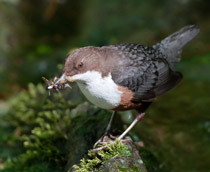
Dipper nests are domed and mossy, and are often built close to water, sometimes on man-made structures like bridges and weirs.
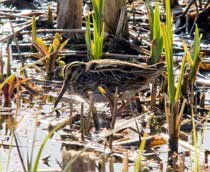
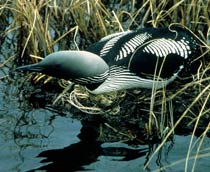
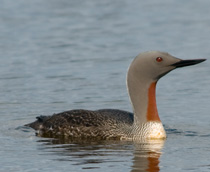
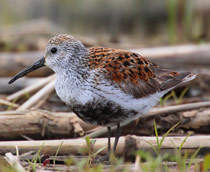
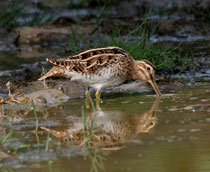
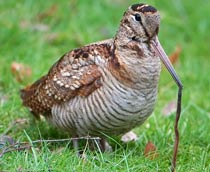
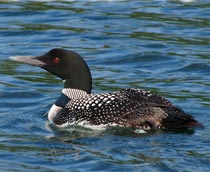
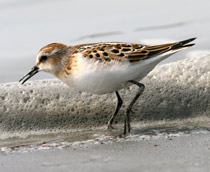
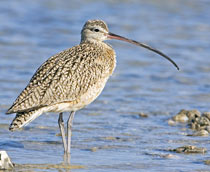
In Specialist Nature, identifying birds often comes down to matching behaviour to habitat. Dippers are compact river birds that forage along fast-flowing streams, divers are powerful swimmers built for catching fish underwater, and sandpipers are waders that pick food from mud, sand, and shallow water. Look for clues like where the bird feeds, how it moves, and the shape of its bill and body.
Key Terms
- Wader: A bird with long legs that feeds in shallow water or wet ground, often by picking insects and small animals from the surface.
- Dive-feeding: Finding food underwater by swimming below the surface, usually to catch fish or aquatic insects.
- Field marks: The visible features that help you identify a bird, such as size, colour pattern, wing shape, and bill type.
Frequently Asked Questions (Click to see answers)
How do you identify a dipper in the UK?
A UK dipper is a small, dark river bird often seen on rocks in fast streams. It bobs up and down and flies low over the water with quick wingbeats.
What are divers in birdwatching?
Divers are large waterbirds built for swimming and catching fish underwater. They sit low in the water, have strong legs set far back, and can look sleek with long necks.
Where do sandpipers usually feed?
Sandpipers usually feed on shorelines, mudflats, and the edges of lakes and rivers. They search for small insects, worms, and crustaceans in wet sand or shallow water.
Try These Related Quizzes