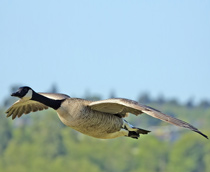
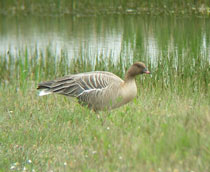
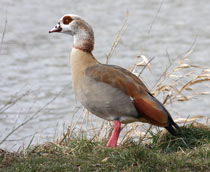
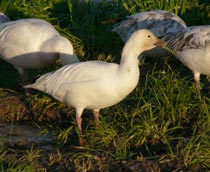
Fascinating Fact:
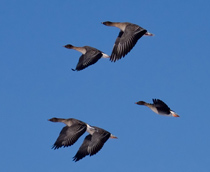
Geese often migrate in V-shaped formations because each bird can gain lift from the air currents made by the bird in front, which helps save energy.
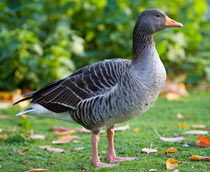
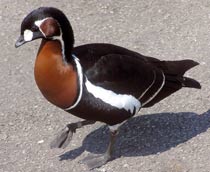
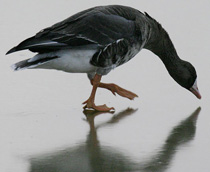
In Specialist Nature, geese are a brilliant group to learn because they are easier to spot than many birds, but still have plenty of tricky lookalikes. Some species breed in the UK, while others arrive as winter visitors, gathering on wetlands, lakes, rivers, fields, and coastal marshes. Good identification comes from noticing overall size, bill shape and colour, leg colour, head and neck markings, and the sound a flock makes as it flies. Watching how they feed can help too, some graze on grass, while others dabble or tip up in shallow water.
Key Terms
- Moult: The time when a bird replaces old feathers with new ones, often looking scruffier for a while.
- Flock: A group of birds that feed, rest, or travel together.
- Wetland: Land that stays very wet, such as a marsh, reedbed, or lake edge, where many birds find food and shelter.
Frequently Asked Questions (Click to see answers)
How can I tell a goose from a swan?
Swans are usually much larger with very long necks and a smoother, more graceful shape on the water. Geese are smaller, with shorter necks, and often feed by grazing in fields as well as on lakes.
Which geese are common in the UK in winter?
Several geese are seen in the UK during winter, especially on wetlands and farmland. Many of these birds arrive from colder northern areas and gather in noisy flocks to feed and roost.
What do geese eat in gardens and parks?
Geese mainly eat grass, leaves, and other plant material, and they often graze like small livestock. In parks they may also take food from people, but natural grazing is healthier for them.
Try These Related Quizzes