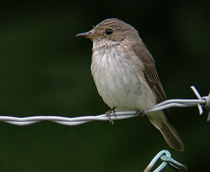
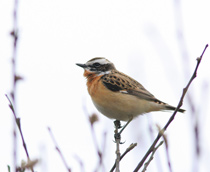
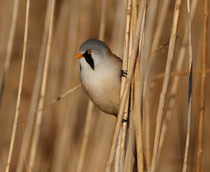
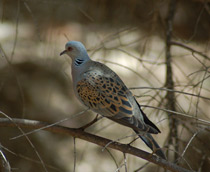
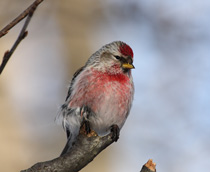
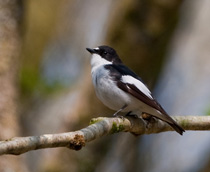
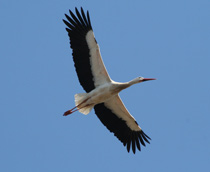
Fascinating Fact:
Pied flycatchers are summer visitors that breed mainly in western parts of the UK, and they spend the winter in West Africa.
In Specialist Nature, bird ID is all about stacking small clues. Look at the bird’s silhouette, how it moves, what it eats, and where you see it. Season matters too, because some species appear only for a short window each year. The “miscellaneous” category often includes birds that are local, easily overlooked, or confused with similar-looking species at a quick glance.
Key Terms
- Field mark: A visible feature that helps identify a bird, such as a wing bar, eye stripe, or tail shape.
- Passerine: A perching bird, often a small songbird, which makes up a large number of UK bird species.
- Territory: An area a bird defends for feeding, nesting, or attracting a mate, especially in spring and early summer.
Frequently Asked Questions (Click to see answers)
How can I identify a pied flycatcher?
A pied flycatcher is a small woodland bird. Males are strongly black-and-white in the breeding season, while females are greyer-brown. Look for neat contrast, a compact shape, and quick, darting flights from a perch.
Where do pied flycatchers breed in the UK?
They breed mainly in mature woodlands, especially in western upland areas where there are old trees and natural holes or nest boxes. They are much less common in many lowland towns and cities.
What do flycatchers eat in the UK?
Flycatchers mostly eat insects and other small invertebrates. They often watch from a perch, then swoop out to grab prey in the air or pick it from leaves and branches.
Try These Related Quizzes