Nature Quiz - British Birds - Petrels, Shearwaters and Terns (Questions)
Petrels, shearwaters and terns are masters of wind and water. This quiz explores how they travel, feed and survive at sea, then return to land to breed.
Explore the Topic →
(quiz starts below)
Fascinating Fact:
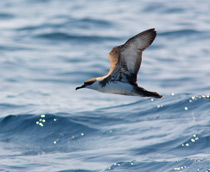
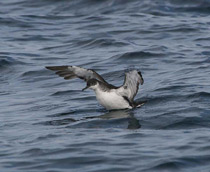
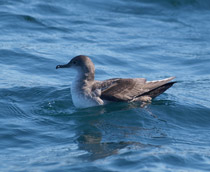
Shearwaters are built for long-distance gliding, and the Manx shearwater is black above and white below. It “shears” low over the sea with stiff wingbeats and long glides.
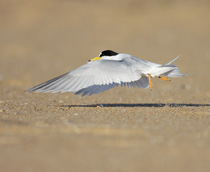
In Specialist Nature, these seabirds help you practise noticing flight style and feeding behaviour. Petrels and shearwaters often spend long periods offshore, using wind and waves to travel efficiently. Terns are usually more active fliers, often hovering or plunging for fish, and many species migrate huge distances between breeding and wintering areas.
Key Terms
Seabird: A bird adapted for life on or near the sea, often feeding on fish or marine creatures.
Pelagic: Living or feeding far from the coast, out over open water.
Colony: A group of birds nesting close together, which can help with safety and finding mates.
Frequently Asked Questions (Click to see answers)
What is the difference between a petrel and a shearwater?
Both are seabirds that spend a lot of time offshore, but shearwaters are usually larger with longer wings and often fly with strong wingbeats and glides. Many petrels are smaller and can look more fluttery or buoyant as they follow waves.
Why do seabirds fly low over the sea?
Flying low can help birds use moving air above the waves to save energy. It can also make it easier to spot food near the surface, especially when fish are pushed up by tides or other predators.
How do terns catch fish?
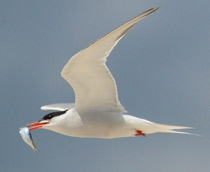
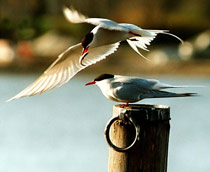
Many terns hunt by watching the water from the air, then diving down to grab small fish near the surface. Some hover first to line up the dive, especially in calm weather or shallow water.