Fascinating Fact:
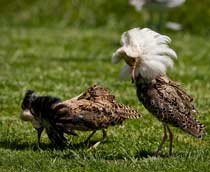
Snipes are cryptically coloured birds of wet, vegetated edges, and they probe mud with long bills, usually appearing alone or in small numbers.
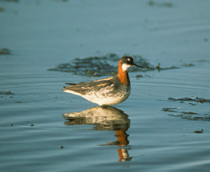
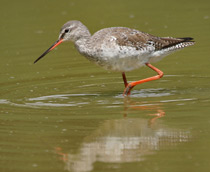
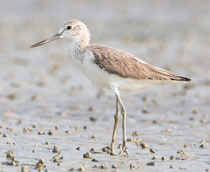
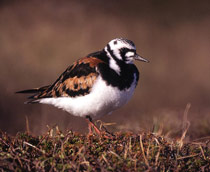
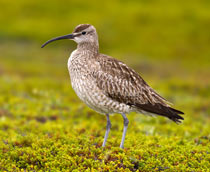
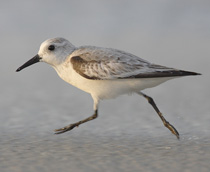
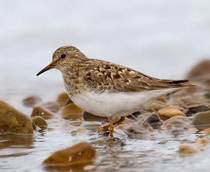
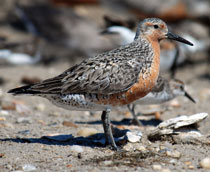
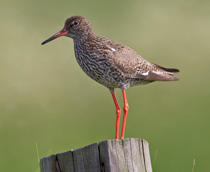
In Specialist Nature, sandpipers and their relatives are a group of “waders”, birds adapted for feeding in shallow water and soft ground. This quiz looks at where they live, what they eat, and the field marks that help you identify similar species, such as leg length, bill shape, size, movement and habitat.
Key Terms
- Wader: A bird that feeds in shallow water or wet ground, often with long legs for walking through the shallows.
- Mudflat: A wide, flat area of soft mud exposed at low tide, rich in small animals that shorebirds eat.
- Bill: A bird’s beak, often shaped to match how it finds and eats food.
Frequently Asked Questions (Click to see answers)
What are sandpipers and why are they called wading birds?
Sandpipers are shorebirds that often feed at the edge of water. They are called wading birds because many species walk through shallow water or wet mud to find insects, worms and small shellfish.
How can I tell a sandpiper from a plover?
Many sandpipers have longer, slimmer bills and often feed by picking or probing as they move. Plovers are usually more compact with shorter bills, and they often pause, watch, then run and grab prey.
Where do sandpipers and other waders live in the UK?
In the UK, waders can be found on coasts, estuaries and tidal flats, as well as inland wetlands like lakes, rivers, marshes and flooded fields. Some are year-round residents, while others migrate seasonally.
Try These Related Quizzes