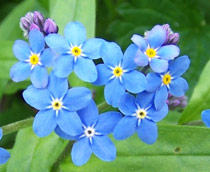
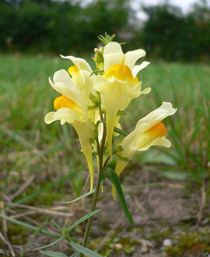
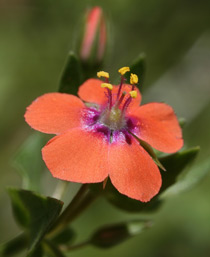
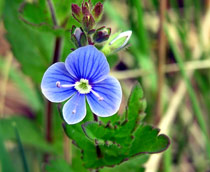
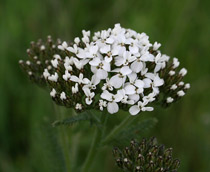
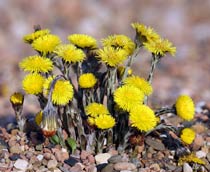
Wildflowers brighten woods, meadows, and roadsides, and they support wildlife too. This quiz explores common types, where they grow, and how to spot them safely.
Explore the Topic →
(quiz starts below)
Fascinating Fact
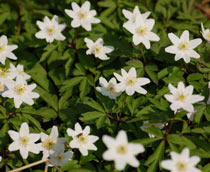
Wild garlic has broad green leaves and starry white flowers, and it has a strong smell when the leaves are crushed.
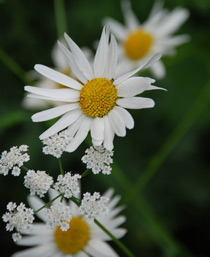
In this Specialist Nature topic, you will explore wildflowers and how they fit into different habitats. You will look at simple identification clues like petal shape, leaf arrangement, and flowering season, plus why wildflowers matter for food chains and biodiversity.
Key Terms
Wildflower: A flowering plant that grows naturally in the wild rather than being planted and cared for in a garden.
Native species: A plant or animal that naturally lives in a region and has been part of that ecosystem for a long time.
Pollinator: An animal, often an insect, that moves pollen between flowers, helping plants make seeds.
Frequently Asked Questions (Click to see answers)
What is a wildflower?
A wildflower is a flowering plant that grows naturally without being planted on purpose. Wildflowers can grow in grassland, woodland, hedgerows, dunes, and even cracks in pavements, depending on the species.
How can I identify a wildflower safely?
You can identify a wildflower by looking at the flower colour, number of petals, leaf shape, and where it is growing. It is safest to avoid tasting plants and to wash hands after handling anything outdoors.
Why are wildflowers important for wildlife?
Wildflowers provide nectar and pollen for insects, seeds for birds, and shelter for small animals. Because many species depend on them, wildflowers help support biodiversity and healthier ecosystems.