Fascinating Fact
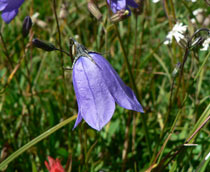
Common bluebell forms carpets in ancient woodland, and its drooping bell-shaped flowers are a familiar sign of spring.
In this Specialist Nature topic, you will practise identifying wildflowers by noticing patterns in petals, leaves, stems, scent, and the habitat where the plant is growing. You will also think about flowering seasons, pollinators, and how responsible wildlife watching helps plants and the animals that rely on them.
Key Terms
- Native plant: A species that occurs naturally in the UK, rather than being introduced by people.
- Pollinator: An animal that moves pollen between flowers, helping plants make seeds, such as bees, hoverflies, and butterflies.
- Rosette: A ring of leaves close to the ground, often seen in many wildflowers before the flowering stem grows.
Frequently Asked Questions (Click to see answers)
What is the best way to identify a wildflower?
The best way to identify a wildflower is to check several features together, including flower shape, petal number, leaf arrangement, stem texture, and habitat. Clear photos of the flower and leaves make identification much easier.
When is the wildflower season in the UK?
Wildflowers can appear from early spring to late autumn, depending on the species and the weather. Many woodland flowers peak in spring, while meadow and grassland flowers often peak in late spring and summer.
Why should you not pick wildflowers?
Picking wildflowers can reduce food for insects and stop plants setting seed for future years. Some sites have rules, and some species are protected, so taking photos and leaving plants in place is the safest choice.
Try These Related Quizzes