Fascinating Fact
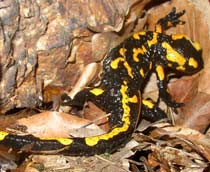
Many amphibians hibernate or become inactive in cold weather, sheltering under logs, stones, or in deep mud at the bottom of ponds.
In this Specialist Nature topic, you will learn what amphibians are, how they differ from reptiles, and why moisture matters so much to them. You will also look at common life cycle stages, from eggs and tadpoles to adults, plus habitats, diet, and simple identification clues.
Key Terms
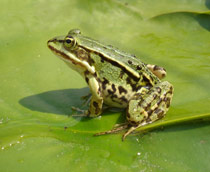
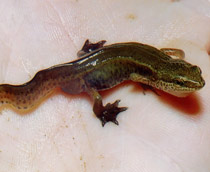
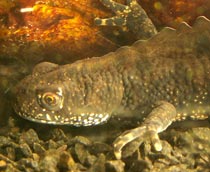
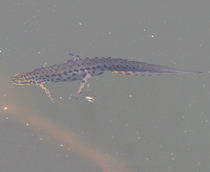
- Amphibian: A cold-blooded vertebrate that usually starts life in water and later can live on land, such as frogs, toads and newts.
- Metamorphosis: A big change in body form during growth, for example a tadpole developing legs and lungs.
- Tadpole: The larval stage of a frog or toad that lives in water and swims with a tail before becoming an adult.
Frequently Asked Questions (Click to see answers)
What is the difference between reptiles and amphibians?
Amphibians usually have moist skin and many spend part of their life in water, often starting as larvae like tadpoles. Reptiles have dry, scaly skin and lay eggs or give birth on land.
Why do amphibians need damp places to live?
Many amphibians absorb water through their skin, so they can dry out quickly in hot or windy conditions. Damp habitats help them stay hydrated and support their breathing through skin and lungs.
How can you tell a frog from a toad?
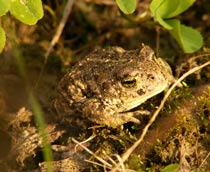
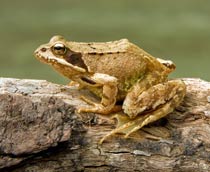
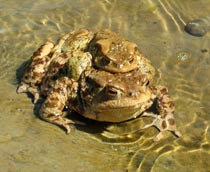
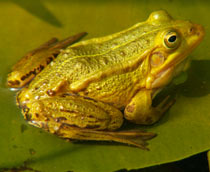
Frogs often have smoother skin and longer legs for jumping, while toads tend to have drier, bumpier skin and shorter legs for walking. There are exceptions, so location and behaviour also help.
Try These Related Quizzes