Fascinating Fact
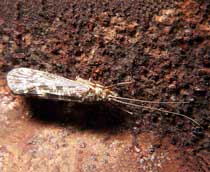
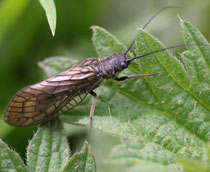
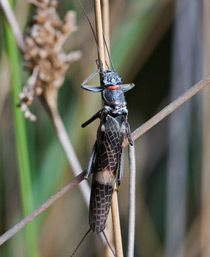
Many aquatic insect larvae develop through the year and emerge as winged adults in warmer months, which is why swarms are more common in spring and summer.
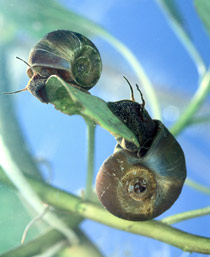
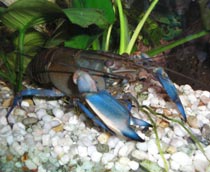
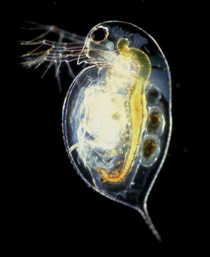
River invertebrates include insect larvae, freshwater shrimp, snails, and worms. They recycle dead plant material, graze algae, and provide food for fish, birds, and amphibians. Because many are sensitive to pollution and low oxygen, the mix of species in a river can give clues about water quality and habitat health.
Key Terms
- Invertebrate: An animal without a backbone, such as an insect, snail, or worm.
- Macroinvertebrate: A small river animal you can usually see without a microscope, often used in freshwater surveys.
- Bioindicator: A living thing that helps show environmental conditions, because it thrives or struggles in certain habitats.
Frequently Asked Questions (Click to see answers)
What are river invertebrates?
River invertebrates are animals without backbones that live in freshwater, including insect larvae, snails, freshwater shrimp, and worms. They live on the riverbed, among plants, or under stones.
Why are river invertebrates important?
River invertebrates help break down dead leaves and other material, which recycles nutrients. They are also a key food source for many fish and birds, so they support the whole river food web.
How do scientists use river invertebrates to check water quality?
Scientists sample the riverbed and identify which invertebrates are present. Some groups are sensitive to pollution and low oxygen, so finding many of these can suggest cleaner, well-oxygenated water.
Try These Related Quizzes