Ask the AI Tutor
Need help with The Sea - Invertebrates? Ask our AI Tutor!
AI Tutor - Lucy
Connecting with Tutor...
Please wait while we establish connection
AI Tutor - Lucy

Sea invertebrates include crabs, starfish, and jellyfish. Discover how these spineless animals move, feed, and defend themselves in different marine habitats, then try the quiz.
|
|
||||||||||||||||||||||||
|
|
||||||||||||||||||||||||
|
|
||||||||||||||||||||||||
|
|
||||||||||||||||||||||||
|
|
|
|
||||||||||||||||||||||||
|
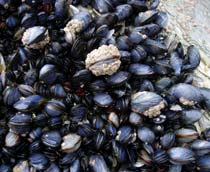
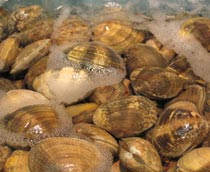
'Excellent source' means that mussels provide at least 20% of the recommended daily value
|
||||||||||||||||||||||||
|
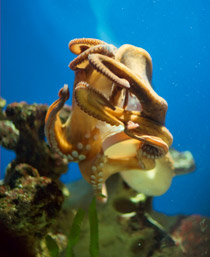
His feeding behaviour was used to predict the winner of each of Germany's seven matches, as well as the outcome of the final. He was 100% correct!
|
||||||||||||||||||||||||
|
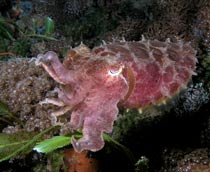
Artificial dyes have mostly replaced natural sepia these days
|
||||||||||||||||||||||||
|
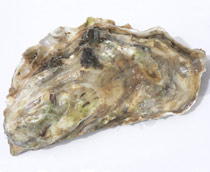
Oyster shucking competitions are held all over the world
|