Lucy
Ask the AI Tutor
Need help with Friends and Foes - Physiological Disorders? Ask our AI Tutor!
Lucy AI Tutor - Lucy
Connecting with Tutor...
Please wait while we establish connection
Lucy
Hi! I'm Lucy, your AI tutor. How can I help you with Friends and Foes - Physiological Disorders today?
now
Logo

Gardening Quiz - Friends and Foes - Physiological Disorders (Questions)

Not all plant problems are pests or disease. This quiz explores physiological disorders, issues caused by care and conditions, so you can spot symptoms early and fix the cause.

Explore the Topic →
(quiz starts below)

Fascinating Fact:

Nutrient deficiencies can show as poor growth or leaf colour changes, such as yellowing between veins. Too much fertiliser can also cause problems, including scorched roots.

Physiological disorders are plant problems caused by the environment or growing conditions rather than by insects, fungi, or bacteria. Common triggers include incorrect watering, poor drainage, low light, sudden temperature changes, compacted compost, and imbalanced feeding. Symptoms can look dramatic, such as yellow leaves, brown tips, leaf drop, cracking fruit, or stunted growth, but the key is to check patterns. If many plants show the same issue at once, or the problem matches recent changes in weather or care, it is often physiological. Improving drainage, adjusting watering, and feeding little and often usually helps plants recover.

  • Physiological disorder: A problem caused by conditions, such as water, temperature, or feeding, rather than by a pest or disease.
  • Drainage: How well excess water can leave soil or compost, helping roots get air as well as moisture.
  • Chlorosis: Yellowing of leaves when a plant cannot make enough chlorophyll, often linked to nutrients or root stress.
What is a physiological disorder in plants?

A physiological disorder is damage caused by growing conditions, such as too much water, too little water, temperature stress, or incorrect feeding, rather than by a pest or infection.

How can I tell if yellow leaves are a nutrient issue or overwatering?

Nutrient issues often show as pale leaves or yellowing between veins, while overwatering usually comes with limp growth, slow drying compost, and possible root smell. Checking drainage and roots helps.

Can too much fertiliser really damage plants?

Yes, excess fertiliser can draw water out of roots and scorch them, leading to brown leaf edges, wilting, and poor growth. Watering through and reducing feeding can limit further harm.

To see a larger image, click on the picture.
1. Plant wilting can be caused by which of the following?
[ ] Too much water
[ ] Too little water
[ ] Disease
[ ] All of the above
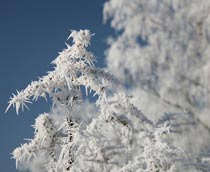
2. What is another name for hoar frost
[ ] Absorption frost
[ ] Carbonization frost
[ ] Literalization frost
[ ] Radiation frost
3. The most rain ever recorded in the UK during a 96 hour period occurred at Seathwaite in Cumbria in November 2009. How much rain fell?
[ ] Nearly 10cm
[ ] Nearly 30cm
[ ] Nearly 50cm
[ ] Nearly 70cm
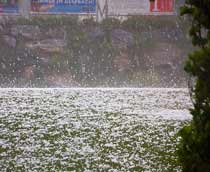
4. In 1958 (5th September) hailstones fell on Horsham, West Sussex that were the size of what?
[ ] Marbles
[ ] Golf balls
[ ] Tennis balls
[ ] Footballs
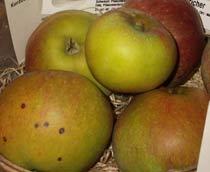
5. The apple in the bottom left hand corner is showing signs of which problem?
[ ] Tart spot
[ ] Acid pimple
[ ] Sour skin
[ ] Bitter pit
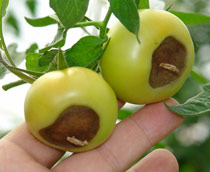
6. A deficiency of what causes the problem of blossom end rot?
[ ] Calcium
[ ] Iron
[ ] Nitrogen
[ ] Potassium
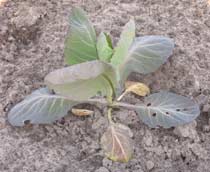
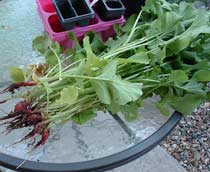
7. This plant is showing signs of nitrogen deficiency. What is the chemical symbol for nitrogen?
[ ] N
[ ] Nt
[ ] Ng
[ ] Nn
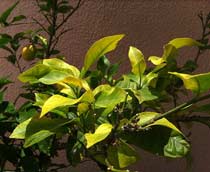
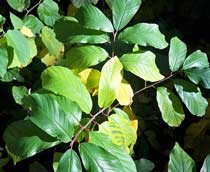
8. This plant is showing signs of iron deficiency. What is the name given to leaves that go yellow like this because they are not producing enough chlorophyll?
[ ] Chlosis
[ ] Chlorosis
[ ] Chlorodisis
[ ] Chlorophyllidis
9. This plant is showing signs of magnesium deficiency. Elements such as magnesium are required by the plant in small doses and are collectively called what?
[ ] Miniature Elements
[ ] Petite Elements
[ ] Tiny Elements
[ ] Trace Elements
10. Excessive leaf growth combined with little fruit or root growth is normally associated with an excess of which element?
[ ] Nitrogen
[ ] Potassium
[ ] Phosphorous
[ ] Manganese
Logo
Gardening Quiz - Friends and Foes - Physiological Disorders (Answers)
1. Plant wilting can be caused by which of the following?
[ ] Too much water
[ ] Too little water
[ ] Disease
[x] All of the above
If the roots of a plant are waterlogged its leaves will often wilt in just the same way as they do when the roots are drying out. In order not to make matters worse, ensure that you know why your plants are wilting before you water them!
2. What is another name for hoar frost
[ ] Absorption frost
[ ] Carbonization frost
[ ] Literalization frost
[x] Radiation frost
Hoar frost occurs on cold clear nights when ice crystals form on objects that have become colder than the surrounding air.
3. The most rain ever recorded in the UK during a 96 hour period occurred at Seathwaite in Cumbria in November 2009. How much rain fell?
[ ] Nearly 10cm
[ ] Nearly 30cm
[x] Nearly 50cm
[ ] Nearly 70cm
49cm of rain fell - about 19 inches
4. In 1958 (5th September) hailstones fell on Horsham, West Sussex that were the size of what?
[ ] Marbles
[ ] Golf balls
[x] Tennis balls
[ ] Footballs
5. The apple in the bottom left hand corner is showing signs of which problem?
[ ] Tart spot
[ ] Acid pimple
[ ] Sour skin
[x] Bitter pit
6. A deficiency of what causes the problem of blossom end rot?
[x] Calcium
[ ] Iron
[ ] Nitrogen
[ ] Potassium
7. This plant is showing signs of nitrogen deficiency. What is the chemical symbol for nitrogen?
[x] N
[ ] Nt
[ ] Ng
[ ] Nn
8. This plant is showing signs of iron deficiency. What is the name given to leaves that go yellow like this because they are not producing enough chlorophyll?
[ ] Chlosis
[x] Chlorosis
[ ] Chlorodisis
[ ] Chlorophyllidis
9. This plant is showing signs of magnesium deficiency. Elements such as magnesium are required by the plant in small doses and are collectively called what?
[ ] Miniature Elements
[ ] Petite Elements
[ ] Tiny Elements
[x] Trace Elements
10. Excessive leaf growth combined with little fruit or root growth is normally associated with an excess of which element?
[x] Nitrogen
[ ] Potassium
[ ] Phosphorous
[ ] Manganese