Fascinating Fact:
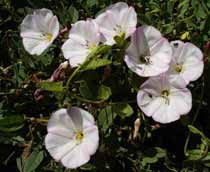
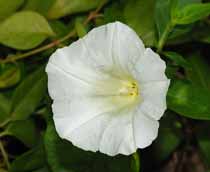
Bindweed climbs and twines around plants, stealing light and space. Its long roots can make it persistent in borders.
Perennial garden weeds survive for more than one season and often regrow from roots, crowns, or underground stems, even after the top growth is pulled. That is why quick “weed once” fixes rarely work. The most effective approach is to remove as much root as possible, stop weeds seeding, and improve planting density so the soil is shaded and less inviting. Timing matters too, tackling new growth early can reduce the energy stored below ground and make repeat removal easier over time.
Key Terms
- Crown: The point where stems meet the root system, often close to the soil surface, where many perennials regrow from.
- Rhizome: An underground stem that spreads sideways and can produce new shoots, making some weeds hard to remove.
- Seed head: The part of a plant that holds seeds, stopping these forming helps prevent future weed problems.
Frequently Asked Questions (Click to see answers)
What is a perennial weed?
A perennial weed is a weed that lives for more than two years and returns each season. It often regrows from roots, crowns, or underground stems even if you cut it back.
Why do perennial weeds keep coming back after I pull them?
Perennial weeds keep returning because small pieces of root or underground stem can regrow into a new plant. Pulling the leaves may remove the top, but not the part storing energy.
How do I get rid of perennial weeds without chemicals?
You can remove perennial weeds without chemicals by digging out as much root as possible, repeating removal when shoots reappear, and covering bare soil with mulch or dense planting to block light.
Try These Related Quizzes