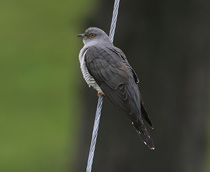
Fascinating Fact:
Since the early 1980s, cuckoo numbers have fallen sharply, with the BTO reporting a drop of around 65%.
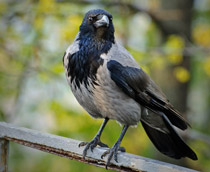
In Specialist Nature, bird identification is all about noticing what makes a species stand out. Crows (corvids) are often clever, confident birds with strong bills and bold calls, while cuckoos are famous for their distinctive sound and unusual breeding strategy. This quiz focuses on practical clues like shape, flight style, voice, and where you’re most likely to see each bird.
Key Terms
- Corvid: A member of the crow family, such as crows, rooks, jackdaws, magpies, and ravens.
- Brood parasitism: When a bird lays its eggs in another species’ nest so the host parents raise the chick.
- Field marks: The visible clues that help you identify a bird, like size, bill shape, wing shape, and colour patterns.
Frequently Asked Questions (Click to see answers)
How can I tell a crow from a rook?
Both are black corvids, but rooks often look “shaggier” with baggy-looking thigh feathers, and adult rooks usually have a pale bare patch at the base of the bill. Crows tend to have a fuller, more even-looking face and a steadier “caw” call.
Why do cuckoos lay their eggs in other birds’ nests?
Cuckoos use brood parasitism, which means they leave their egg in a host nest so the host birds do the feeding. This strategy helps cuckoos avoid building nests and caring for chicks, and it can let them produce more eggs over the season.
What does a cuckoo sound like and when can you hear it?
The classic cuckoo call is a clear two-note “cu-coo” that carries a long way. In the UK, it is most often heard in spring and early summer, especially near woodland edges, heathland, and wet areas where their host birds are common.
Try These Related Quizzes


-B.jpg)