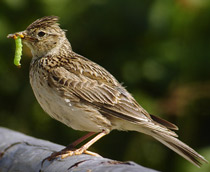
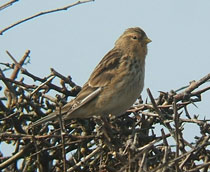
Fascinating Fact:
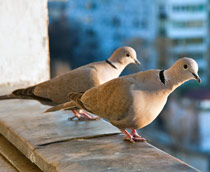
Turtle doves are scarce summer migrants in the UK, and their population has fallen dramatically, with a 99% decrease recorded from 1967 to 2023.
In Specialist Nature, “miscellaneous” bird groups are a chance to practise real identification skills. Focus on shape, plumage patterns, call, and habitat, then check season and behaviour. For example, a dove’s neck pattern, wing markings, and preferred countryside habitat can help separate similar species that look “brownish-grey” at first glance.
Key Terms
- Migrant: An animal that travels between regions at different times of year, often to breed in summer and leave before winter.
- Plumage: A bird’s feathers, including their colours and patterns, which can change slightly with age or season.
- Habitat: The natural place a bird lives and feeds, such as farmland, woodland edge, wetlands, or urban parks.
Frequently Asked Questions (Click to see answers)
What is the difference between a turtle dove and a collared dove?
A turtle dove is smaller and warmer brown with a striped patch on the side of its neck, while a collared dove is paler grey-beige with a single black “collar” on the back of its neck and is common in towns and villages.
What should I look at first when identifying a bird?
Start with the bird’s overall size and shape, then check beak shape, wing pattern, and tail length. After that, use habitat, behaviour, and the time of year to narrow it down.
Why do some birds only appear in the UK at certain times of year?
Many birds move to follow food and better weather. Some come to the UK to breed in spring and summer, then leave when insects and seeds become harder to find in colder months.
Try These Related Quizzes