Fascinating Fact:
Waders often gather in flocks on estuaries and mudflats because these habitats provide rich feeding at low tide and safe roosting at high tide.
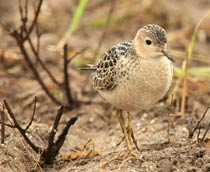
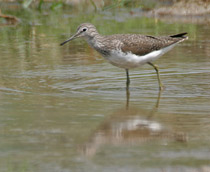
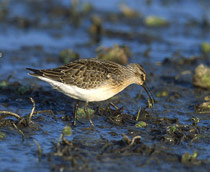
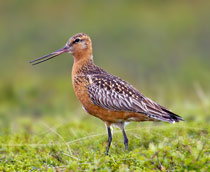
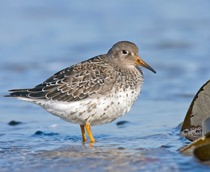
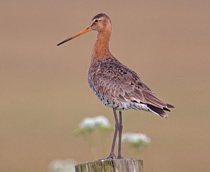
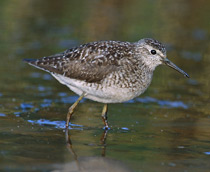
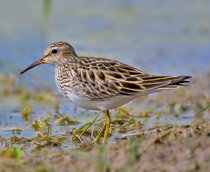
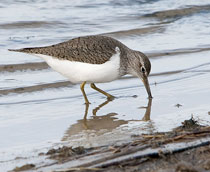
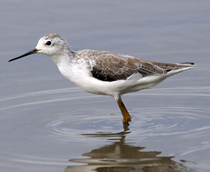
In Specialist Nature, sandpipers and godwits are a brilliant group for learning bird ID. Compare overall size, bill length and curve, leg colour, and how they feed, some pick rapidly while others probe steadily. Many also change plumage through the year, so looking at patterns on the back, belly and face can help, especially alongside flight shape and calls.
Key Terms
- Wader: A bird adapted for feeding in shallow water or wet ground, often with long legs and a bill shaped for probing or picking prey.
- Plumage: The feathers of a bird, including their colour and pattern, which can differ between seasons, ages and sexes.
- Migration stopover: A place where travelling birds pause to rest and refuel before continuing their journey.
Frequently Asked Questions (Click to see answers)
How can I tell a sandpiper from a godwit?
Godwits are usually larger, with longer legs and a noticeably long bill that often looks slightly upturned. Many sandpipers are smaller and more compact, with shorter bills and quicker, more darting feeding movements, so size and bill shape are strong first clues.
What do sandpipers eat in the UK?
In the UK, sandpipers mainly eat small invertebrates such as worms, insect larvae, tiny crustaceans and small shellfish. They find food by picking from the surface or probing into wet sand, shallow water, and seaweed edges.
When can you see godwits in Britain?
Godwits can be seen in Britain at different times depending on the species and location. Black-tailed godwits are present year-round in some wetlands, while bar-tailed godwits are most often seen on coasts as migrants and winter visitors, with movement peaking in spring and autumn.
Try These Related Quizzes