Lucy
Ask the AI Tutor
Need help with Plants - British Trees? Ask our AI Tutor!
Lucy AI Tutor - Lucy
Connecting with Tutor...
Please wait while we establish connection
Lucy
Hi! I'm Lucy, your AI tutor. How can I help you with Plants - British Trees today?
now
Logo

Nature Quiz - Plants - British Trees (Questions)

British trees shape woodlands, parks and hedgerows. Learn how to spot them by leaves, buds and bark, and discover why trees matter for wildlife.

Explore the Topic →
(quiz starts below)

Oak trees can often be recognised by their lobed leaves and acorns, and they support a wide range of insects, birds, and fungi.

In this Specialist Nature topic, you will look at common British trees and how to identify them using clues like leaf shape, buds, bark texture, seeds, and overall silhouette. You will also explore how trees fit into habitats, from ancient woodland to street planting, and how seasons can change what you notice.

  • Deciduous: A tree that loses its leaves in autumn and grows new ones in spring.
  • Evergreen: A tree that keeps its leaves or needles through the year, even though it still replaces older ones over time.
  • Bud: A small growth point on a twig that can open into a leaf, flower, or new shoot.
How can I identify British trees by their leaves?

You can identify many British trees by looking at the leaf shape, the edge (smooth or toothed), and how the leaves sit on the twig (opposite or alternating). Noticing whether leaves are single or made of smaller leaflets can also help.

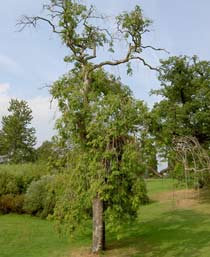
How do you identify a tree in winter without leaves?

In winter, you can use buds, twigs, and bark to identify trees. Look at bud size and shape, twig colour, and any remaining fruits or seed cases. The overall outline of the tree, including branching pattern, can be a strong clue too.

What is the difference between native and non-native trees in Britain?

Native trees are species that reached Britain naturally after the last Ice Age and became part of local ecosystems. Non-native trees were introduced by people, sometimes long ago, for timber, parks, or gardens, and some can spread into the wild.

To see a larger image, click on the picture.
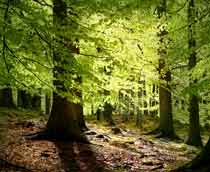
1. Can you identify this British tree?
[ ] Silver Birch
[ ] Alder
[ ] Common Beech
[ ] Black Poplar
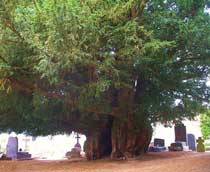
2. Can you identify this British tree?
[ ] Yew
[ ] White Willow
[ ] Ash
[ ] Oak
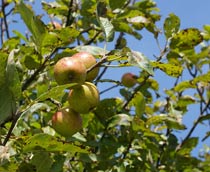
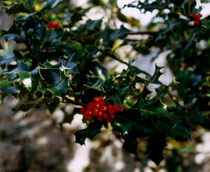
3. Can you identify this British tree?
[ ] Sycamore
[ ] Holly
[ ] Wych Elm
[ ] Crab Apple
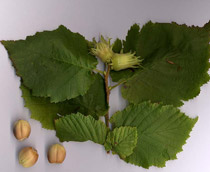
4. Can you identify this British tree?
[ ] Common Hawthorn
[ ] Field Maple
[ ] Common Hazel
[ ] Ash
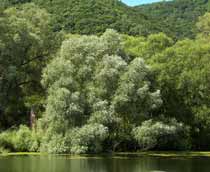
5. Can you identify this British tree?
[ ] Common Beech
[ ] White Willow
[ ] Oak
[ ] Common Hawthorn
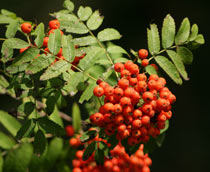
6. Can you identify this British tree?
[ ] Rowan
[ ] Yew
[ ] Holly
[ ] Black Poplar
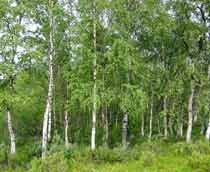
7. Can you identify this British tree?
[ ] Sycamore
[ ] Crab Apple
[ ] Ash
[ ] Silver Birch
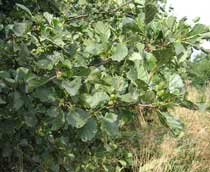
8. Can you identify this British tree?
[ ] Common Hawthorn
[ ] Field Maple
[ ] Alder
[ ] Oak
9. Can you identify this British tree?
[ ] Common Beech
[ ] Holly
[ ] Yew
[ ] Wych Elm
10. Can you identify this British tree?
[ ] Ash
[ ] Yew
[ ] Rowan
[ ] Field Maple
Logo
Nature Quiz - Plants - British Trees (Answers)
1. Can you identify this British tree?
[ ] Silver Birch
[ ] Alder
[x] Common Beech
[ ] Black Poplar
2. Can you identify this British tree?
[x] Yew
[ ] White Willow
[ ] Ash
[ ] Oak
3. Can you identify this British tree?
[ ] Sycamore
[ ] Holly
[ ] Wych Elm
[x] Crab Apple
4. Can you identify this British tree?
[ ] Common Hawthorn
[ ] Field Maple
[x] Common Hazel
[ ] Ash
5. Can you identify this British tree?
[ ] Common Beech
[x] White Willow
[ ] Oak
[ ] Common Hawthorn
6. Can you identify this British tree?
[x] Rowan
[ ] Yew
[ ] Holly
[ ] Black Poplar
7. Can you identify this British tree?
[ ] Sycamore
[ ] Crab Apple
[ ] Ash
[x] Silver Birch
8. Can you identify this British tree?
[ ] Common Hawthorn
[ ] Field Maple
[x] Alder
[ ] Oak
9. Can you identify this British tree?
[ ] Common Beech
[x] Holly
[ ] Yew
[ ] Wych Elm
10. Can you identify this British tree?
[x] Ash
[ ] Yew
[ ] Rowan
[ ] Field Maple