Nature Quiz - Reptiles and Amphibians - Snakes of the World (Questions)
Snakes are found in deserts, forests and oceans. Learn how they hunt, sense the world, and survive without legs, then test your knowledge in the quiz below.
Explore the Topic →
(quiz starts below)
Fascinating Fact
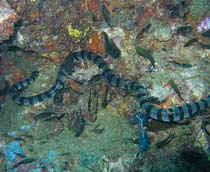
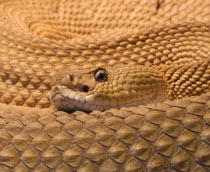
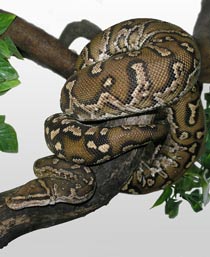
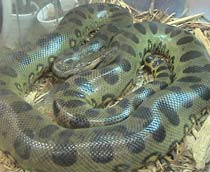
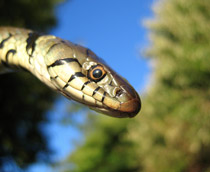
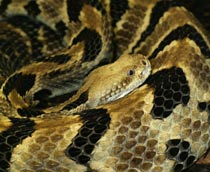
Many snakes rely on camouflage, patterns such as bands, blotches, or stripes can help them blend into leaf litter, sand, or grass.
In this Specialist Nature quiz, you will explore how snakes are built for life on the move, from flexible jaws for swallowing prey to specialised senses for finding food and avoiding danger. You will also learn about the different ways snakes capture prey, and how habitats shape their behaviour and survival.
Key Terms
Venom: A toxin made by some animals that is delivered through a bite to help subdue prey or deter threats.
Constriction: A hunting method where a snake coils around prey and tightens to stop it breathing.
Shedding: The process of replacing old skin with new skin as a snake grows.
Frequently Asked Questions (Click to see answers)
How do snakes move without legs?
Snakes move by using strong muscles and their ribs to push against the ground. Different types of movement, such as slithering or sidewinding, help them travel across many surfaces.
Are all snakes venomous?
Not all snakes are venomous. Many species kill prey by constriction or by holding on and swallowing smaller animals, and some snakes mainly eat insects, eggs, or fish.
Why do snakes flick their tongues?
Snakes flick their tongues to collect scent particles from the air and ground. They pass these particles to a special organ in the mouth that helps them track prey and recognise their surroundings.