Ask the AI Tutor
Need help with Year 1 Money - Value? Ask our AI Tutor!
AI Tutor - Lucy
Connecting with Tutor...
Please wait while we establish connection
AI Tutor - Lucy

Learn the value of coins and notes in KS1 Maths. Count money, make totals, compare amounts, and work out simple change with clear, friendly examples.
|
|
||||||||||||||||||||||||
|
|
||||||||||||||||||||||||
|
|
||||||||||||||||||||||||
|
|
||||||||||||||||||||||||
|
|
You can find more about this topic by visiting BBC Bitesize - Money
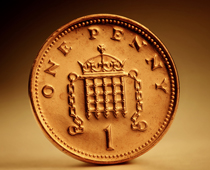
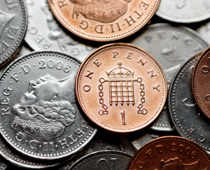
This is a 1p piece, also known as a penny
|
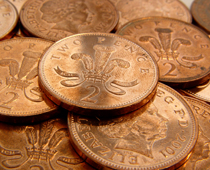
These are all 2p coins
|
||||||||||||||||||||||||
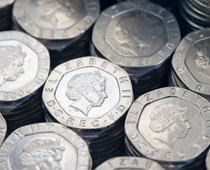
They are 20p coins
|
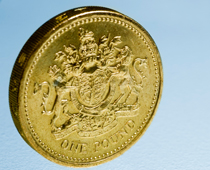
This is a £1 coin
|
||||||||||||||||||||||||
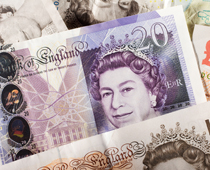
This note has the same value as 2 x £10 notes
|
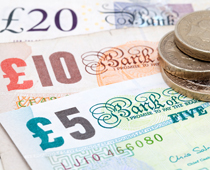
A £5 note has the same value as 5 x £1 coins
|
||||||||||||||||||||||||
1p has the lowest value of all the coins
|
£2 is the highest value coin we use
|
||||||||||||||||||||||||
There are no £1 or £2 coins either!
|
3 x 10p = 30p and 3 x 1p = 3p.
30p + 3p = 33p |