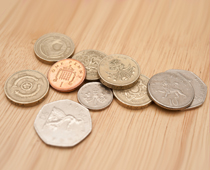
Spot pounds and pence quickly. Learn coin values, write amounts with £ and p, and choose the fewest coins to make a total.
|
|
||||||||||||||||||||||||
|
|
||||||||||||||||||||||||
|
|
||||||||||||||||||||||||
|
|
||||||||||||||||||||||||
|
|
You can find more about this topic by visiting BBC Bitesize - Recognising coins
Starting with the coin of highest value is a good addition strategy
|
Adding the smaller value coins up and then including the £1 could help
|
||||||||||||||||||||||||
Starting with 50p and counting up in 10s could be a good strategy
|
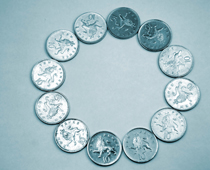
There are twelve 10p pieces - ten of them would make £1, with two more making 20p
|
||||||||||||||||||||||||
Once you have found the total of the smaller coins, add the £4 on
|
There is 95p here already. Adding £2.00 would give a total of £2.95
|
||||||||||||||||||||||||
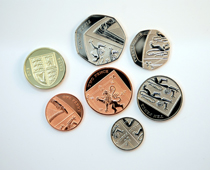
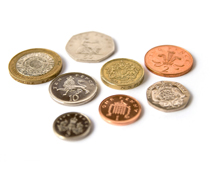
These are all of the 8 different coins we use today
|
There are lots and lots of ways to make £1 using different coins!
|
||||||||||||||||||||||||
There is still over £1, thanks to the two 50p coins
|
You could also pay with a £2 coin and get 50p change!
|