Explore 3D shapes by spotting faces, edges and vertices. Match real objects to cubes, cones and cylinders, and learn how flat nets fold up to make solid shapes.
|
|
||||||||||||||||||||||||
|
|
||||||||||||||||||||||||
|
|
||||||||||||||||||||||||
|
|
||||||||||||||||||||||||
|
|
You can find more about this topic by visiting BBC Bitesize - What are 3D shapes?
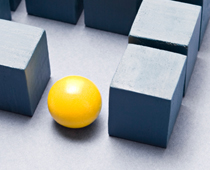
The cubes are also called cuboids
|
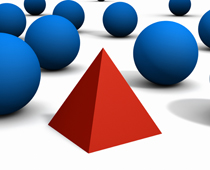
Pyramids can have square bases or triangular bases
|
||||||||||||||||||||||||
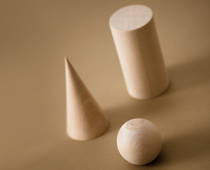
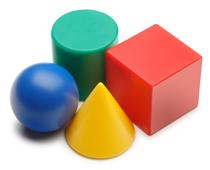
The cylinder has two edges, the cone has one and the sphere has none at all
|
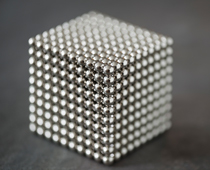
The spheres are arranged in even rows in order to create a cube shape
|
||||||||||||||||||||||||
The cube has 6 faces, the cylinder has three, the cone has two and the sphere has one
|
Corners are where the edges meet and can also be called vertices
|
||||||||||||||||||||||||
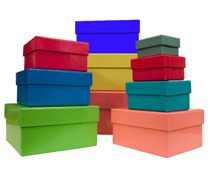
Lots of cubes or cuboids stack together more easily than cylinders or cones
|
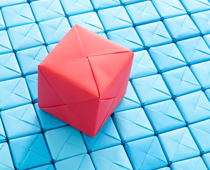
A cube usually lands well so that one face is facing upwards
|
||||||||||||||||||||||||
A perfect sphere rolls well - lots of sports have balls which are spheres
|
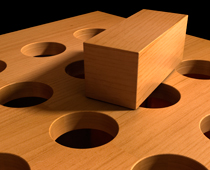
The edges of the cuboid will not fit through the round hole
|