Ask the AI Tutor
Need help with Year 2 Shapes - Vocabulary? Ask our AI Tutor!
AI Tutor - Lucy
Connecting with Tutor...
Please wait while we establish connection
AI Tutor - Lucy

Learn the language of 2D shapes. Use clear words like side, vertex and polygon to name and describe shapes in simple, accurate KS1 Maths sentences.
|
|
||||||||||||||||||||||||
|
|
||||||||||||||||||||||||
|
|
||||||||||||||||||||||||
|
|
||||||||||||||||||||||||
|
|
You can find more about this topic by visiting BBC Bitesize - 2D and 3D shapes
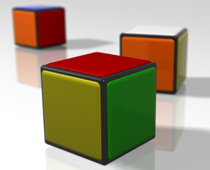
A die (plural dice) shows the numbers 1 to 6, with a different number on each face
|
A sphere has one curved face, no edges and no corners
|
||||||||||||||||||||||||
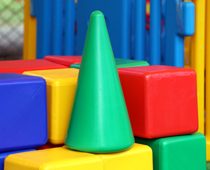
The bottom of the cone is a circle
|
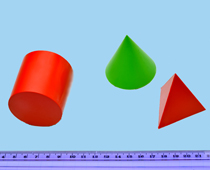
The cylinder has two circular faces and one curved face
|
||||||||||||||||||||||||
Three dimensional shapes have height, width and depth
|
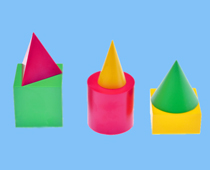
This is similar to how the real pyramids were built
|
||||||||||||||||||||||||
The cone only has one edge
|
A square is a kind of rectangle with even sides
|
||||||||||||||||||||||||
Shapes such as squares have edges and corners which fit together well
|
Two dimensional shapes are shapes that only have two dimensions (such as width and height) and no thickness
|