Lucy
Ask the AI Tutor
Need help with Animals - Growth from Babies to Adults? Ask our AI Tutor!
Lucy AI Tutor - Lucy
Connecting with Tutor...
Please wait while we establish connection

Lucy
Hi! I'm Lucy, your AI tutor. How can I help you with Animals - Growth from Babies to Adults today?
now
Logo

Science Quiz - Animals - Growth from Babies to Adults (Questions)

From tiny babies to strong adults, animals change in size, shape and skills. Explore how bodies, teeth and behaviour grow as part of KS1 Science learning.

Explore the Topic →
(quiz starts below)

Fascinating Fact:

Teeth change. Some animals, and children too, lose baby teeth and grow adult teeth for stronger chewing.

In KS1 Science, children discover how animals grow from babies to adults. They learn that bodies, teeth, coats and behaviours can change so animals can eat better, move confidently and survive.

  • Baby: A young animal at the start of its life.
  • Adult: A fully grown animal that cannot grow taller but may still get stronger.
  • Life cycle: The stages an animal goes through from baby to adult.
What does animals growing from babies to adults mean in KS1 Science?

It means learning how animals start small and then change in size, shape and abilities as they grow into adults, often becoming stronger and more independent.

Do all animal babies look like their parents when they are grown up?

No. Some, like lambs and foals, become larger versions of their parents. Others, like tadpoles turning into frogs, change shape a lot as they grow.

How can I help KS1 children understand animal growth stages?

You can compare baby and adult photos, talk about size, teeth and fur changes, and order pictures to show each step from baby to grown-up.

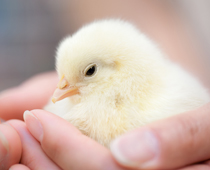
1. What do we call baby chickens?
[ ] Hens
[ ] Ducks
[ ] Chicks
[ ] Lambs
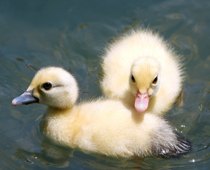
2. What are ducklings when they grow up?
[ ] Chickens
[ ] Geese
[ ] Swans
[ ] Ducks
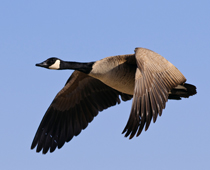
3. What do we call a baby goose?
[ ] Duckling
[ ] Chick
[ ] Gosling
[ ] Cygnet
4. What is the missing word?

Egg → _____ → Chicken
[ ] Hen
[ ] Duck
[ ] Goose
[ ] Chick
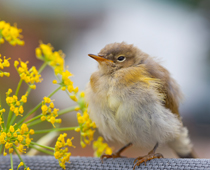
5. The picture shows a baby robin chick. It has just left the nest.

What is the missing word?

_____ → Chick → Robin
[ ] Hen
[ ] Egg
[ ] Nest
[ ] Baby
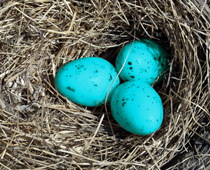
6. Where does the robin lay its eggs?
[ ] In a nest
[ ] On a leaf
[ ] On a rock
[ ] On the road
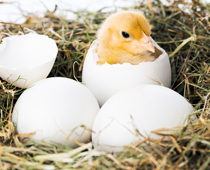
7. Chicks come from eggs. This chick has just left the egg. What do we call it when the chick leaves the egg?
[ ] Hatching
[ ] Sleeping
[ ] Turning
[ ] Waking
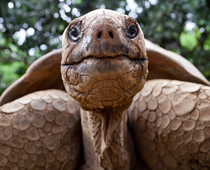
8. Birds lay eggs. So do reptiles. Which one of these animals is a reptile?
[ ] Tortoise
[ ] Hippopotamus
[ ] Rhinoceros
[ ] Crab
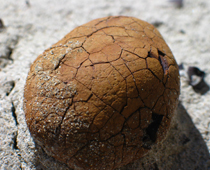
9. This is a fossil. It is a dinosaur egg. Dinosaurs lived in the past. What type of animal was a dinosaur?
[ ] Bird
[ ] Fish
[ ] Mammal
[ ] Reptile
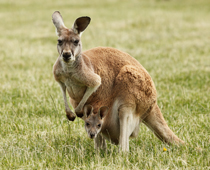
10. A baby kangaroo is carried by its mother in a _____.
[ ] Basket
[ ] Cot
[ ] Buggy
[ ] Pouch

You can find more about this topic by visiting BBC Bitesize - How do animals grow?

Logo
Science Quiz - Animals - Growth from Babies to Adults (Answers)
1. What do we call baby chickens?
[ ] Hens
[ ] Ducks
[x] Chicks
[ ] Lambs
Have you ever held a chick in your hand?
2. What are ducklings when they grow up?
[ ] Chickens
[ ] Geese
[ ] Swans
[x] Ducks
Ducks are very good swimmers
3. What do we call a baby goose?
[ ] Duckling
[ ] Chick
[x] Gosling
[ ] Cygnet
Goslings are baby geese. Cygnets are baby swans
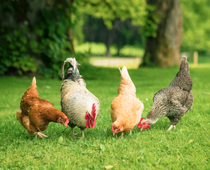
4. What is the missing word?

Egg → _____ → Chicken
[ ] Hen
[ ] Duck
[ ] Goose
[x] Chick
Older chickens are often called hens
5. The picture shows a baby robin chick. It has just left the nest.

What is the missing word?

_____ → Chick → Robin
[ ] Hen
[x] Egg
[ ] Nest
[ ] Baby
Robins turn red as they get older
6. Where does the robin lay its eggs?
[x] In a nest
[ ] On a leaf
[ ] On a rock
[ ] On the road
Robin eggs have blue shells
7. Chicks come from eggs. This chick has just left the egg. What do we call it when the chick leaves the egg?
[x] Hatching
[ ] Sleeping
[ ] Turning
[ ] Waking
Have you ever seen a chick hatch from an egg?
8. Birds lay eggs. So do reptiles. Which one of these animals is a reptile?
[x] Tortoise
[ ] Hippopotamus
[ ] Rhinoceros
[ ] Crab
The giant tortoise can live to be very old
9. This is a fossil. It is a dinosaur egg. Dinosaurs lived in the past. What type of animal was a dinosaur?
[ ] Bird
[ ] Fish
[ ] Mammal
[x] Reptile
Baby dinosaurs hatched from eggs. Then they grew very, very big!
10. A baby kangaroo is carried by its mother in a _____.
[ ] Basket
[ ] Cot
[ ] Buggy
[x] Pouch
Baby kangaroos are called joeys