Lucy
Ask the AI Tutor
Need help with Investigating - Observation Skills? Ask our AI Tutor!
Lucy AI Tutor - Lucy
Connecting with Tutor...
Please wait while we establish connection
Lucy
Hi! I'm Lucy, your AI tutor. How can I help you with Investigating - Observation Skills today?
now
Logo

Science Quiz - Investigating - Observation Skills (Questions)

In this KS1 Science quiz, explore your super senses and practise careful observing by looking, listening, smelling and touching objects safely to spot differences and similarities.

Explore the Topic →
(quiz starts below)

Fascinating Fact:

Using touch carefully means feeling if something is rough, smooth, hard, or soft, without squeezing or breaking it.

In KS1 Science, observing is about using your senses to notice details. You might compare textures, colours, sounds, or smells, then describe and record what you find clearly and safely.

  • Observation: Carefully looking, listening, smelling or touching to find out information.
  • Sense: One way your body finds out about the world, like sight, hearing, touch, taste, or smell.
  • Careful Handling: Using gentle, safe hands so objects, plants, and minibeasts are not damaged or hurt.
What are observation skills in KS1 science?

Observation skills in KS1 science mean using your senses to notice what things look, feel, sound, or smell like, then talking or writing clearly about what you have discovered.

How can I help KS1 children improve their observation skills?

Give children simple objects to compare, ask “What do you notice?”, and encourage full sentences, drawings, and labels so they carefully describe size, colour, shape, and texture.

Why is careful touch important during science activities?

Careful touch keeps children safe and protects objects, plants, and animals from harm. Gentle handling helps everyone learn responsibly while still feeling textures and shapes.

1. What do we call it when you look very carefully?
[ ] Staring
[ ] Observing
[ ] Pointing
[ ] Listening
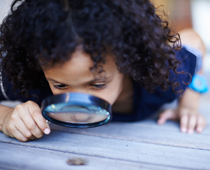
2. Sasha is looking very carefully at a minibeast. What is Sasha using to help her?
[ ] A watch
[ ] A magnifying glass
[ ] A window
[ ] A smart phone
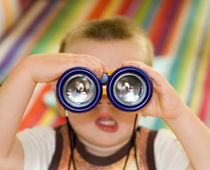
3. What is Jamie using to look closely?
[ ] Glasses
[ ] Magnifying glass
[ ] Camera
[ ] Binoculars
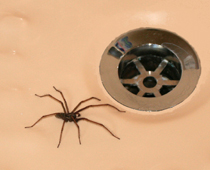
4. Look closely. How many legs has this spider?
[ ] 2
[ ] 4
[ ] 8
[ ] 10
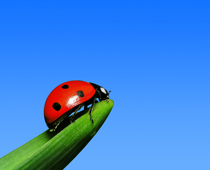
5. What colour spots are on the body of the ladybird?
[ ] Black
[ ] White
[ ] Red
[ ] Green
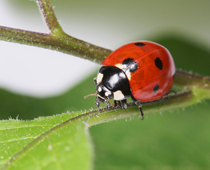
6. What colour spots are on the head of this ladybird?
[ ] Black
[ ] White
[ ] Red
[ ] Green
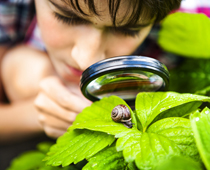
7. Ben is observing a minibeast. Which minibeast is Ben looking at closely?
[ ] Slug
[ ] Snail
[ ] Beetle
[ ] Caterpillar
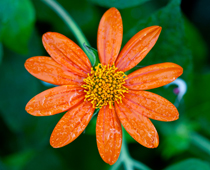
8. How many petals has this flower?
[ ] 8
[ ] 9
[ ] 10
[ ] 11
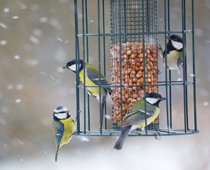
9. Lucy is counting the birds that come to a birdfeeder.

Blue Tits have blue and white on the top of their heads.

Great Tits have black on the top of their heads.

How many Blue Tits are at the birdfeeder?
[ ] 1
[ ] 2
[ ] 3
[ ] 4
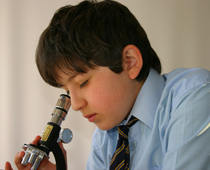
10. Tom is looking at leaves in science. He has used a magnifying glass. Now he is using a microscope. Under a microscope, the leaf looks:
[ ] Very small
[ ] Much bigger
[ ] Smaller than before
[ ] The same size as before

You can find more about this topic by visiting BBC Bitesize - Working scientifically

Logo
Science Quiz - Investigating - Observation Skills (Answers)
1. What do we call it when you look very carefully?
[ ] Staring
[x] Observing
[ ] Pointing
[ ] Listening
Are you patient? Can you look carefully for a long time?
2. Sasha is looking very carefully at a minibeast. What is Sasha using to help her?
[ ] A watch
[x] A magnifying glass
[ ] A window
[ ] A smart phone
Minibeasts look bigger in a magnifying glass
3. What is Jamie using to look closely?
[ ] Glasses
[ ] Magnifying glass
[ ] Camera
[x] Binoculars
Binoculars are really good for watching birds
4. Look closely. How many legs has this spider?
[ ] 2
[ ] 4
[x] 8
[ ] 10
Have you ever found a spider in the bath?
5. What colour spots are on the body of the ladybird?
[x] Black
[ ] White
[ ] Red
[ ] Green
Have you ever seen a yellow ladybird?
6. What colour spots are on the head of this ladybird?
[ ] Black
[x] White
[ ] Red
[ ] Green
Not all ladybirds look the same
7. Ben is observing a minibeast. Which minibeast is Ben looking at closely?
[ ] Slug
[x] Snail
[ ] Beetle
[ ] Caterpillar
What is Ben using to study the snail?
8. How many petals has this flower?
[ ] 8
[ ] 9
[x] 10
[ ] 11
Did you count them?
9. Lucy is counting the birds that come to a birdfeeder.

Blue Tits have blue and white on the top of their heads.

Great Tits have black on the top of their heads.

How many Blue Tits are at the birdfeeder?
[x] 1
[ ] 2
[ ] 3
[ ] 4
Do you feed the birds in winter?
10. Tom is looking at leaves in science. He has used a magnifying glass. Now he is using a microscope. Under a microscope, the leaf looks:
[ ] Very small
[x] Much bigger
[ ] Smaller than before
[ ] The same size as before
What do you like doing in science?