Ask the AI Tutor
Need help with Investigating - Results Data? Ask our AI Tutor!
AI Tutor - Lucy
Connecting with Tutor...
Please wait while we establish connection
AI Tutor - Lucy

In this KS1 Science quiz, explore how to read results, spot biggest and smallest numbers, and decide what they tell you.
|
|
||||||||||||||||||||||||
|
|
||||||||||||||||||||||||
|
|
||||||||||||||||||||||||
|
|
||||||||||||||||||||||||
|
|
You can find more about this topic by visiting BBC Bitesize - Working scientifically
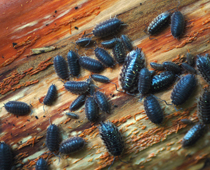
Woodlice like moist, dark places best.
|
If possible, it would be a good idea to try the experiment a third time
|
||||||||||||||||||||||||
Oh dear! They started with 20 woodlice
|
If Katie’s group had counted two woodlice twice, how many would there be? - 22
|
||||||||||||||||||||||||
Katie’s group were in too much of a hurry to get out to play!
|
All the woodlice are there!
|
||||||||||||||||||||||||
It is fun investigating minibeasts, but what had Katie’s group found out?
|
How did you add them up?
|
||||||||||||||||||||||||
How many woodlice liked the dark or the leaves?
|
What would you like to investigate about woodlice?
|