Learn how to spot natural and manmade products in KS1 Science, from fruit and milk to crisps and plastics, and choose healthier, smarter options every day.
|
|
||||||||||||||||||||||||
|
|
||||||||||||||||||||||||
|
|
||||||||||||||||||||||||
|
|
||||||||||||||||||||||||
|
|
You can find more about this topic by visiting BBC Bitesize - Everyday materials
Do you like going to the seaside?
|
Plastic is made in factories
|
||||||||||||||||||||||||
The mountain in the picture is called the Matterhorn
|
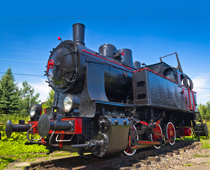
Coal burns. It is used in steam engines. Have you ever been on a steam train?
|
||||||||||||||||||||||||
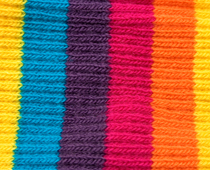
Sheep grow wool
|
Do you have any toys made from wood?
|
||||||||||||||||||||||||
Fruit and vegetables come from plants. Plants are natural, not man-made
|
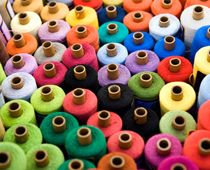
Nylon, polythene and polystyrene are all man-made
|
||||||||||||||||||||||||
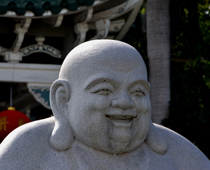
Marble is a type of rock. Marble is dug out of the ground in quarries
|
Do you like being out in the rain?
|