Lucy
Ask the AI Tutor
Need help with Seasons And Weather - Day And Night? Ask our AI Tutor!
Lucy AI Tutor - Lucy
Connecting with Tutor...
Please wait while we establish connection
Lucy
Hi! I'm Lucy, your AI tutor. How can I help you with Seasons And Weather - Day And Night today?
now
Logo

Science Quiz - Seasons And Weather - Day And Night (Questions)

Find out why we have day and night, what the Sun, Earth, and Moon are doing, and how the sky looks different when it is dark.

Explore the Topic →
(quiz starts below)

Fascinating Fact:

We see the moon and stars at night because the sky is dark, but the moon does not make its own light, it reflects the sun.

In KS1 Science, children learn that day and night are caused by the Earth spinning, so different parts face the Sun or move into darkness. They explore sunlight, shadows, and the night sky.

  • Rotation: The spinning of the Earth on its axis, taking one day.
  • Axis: An imaginary line through the Earth from the North Pole to the South Pole.
  • Reflection: Light bouncing off a surface, like sunlight reflecting from the moon.
What causes day and night in simple terms?

Day and night are caused by the Earth spinning. The side facing the Sun has daytime, while the side turned away from the Sun has night-time.

Why can we see the moon at night in KS1 science?

We see the moon at night because sunlight shines on it and reflects into our eyes. The moon looks bright, even though it does not make its own light.

How can I teach KS1 children about day and night?

You can use a globe and torch to show light and shadow, keep a simple day-night chart, and talk about bedtime skies versus daytime skies.

1. Which word describes the night?
[ ] Dark
[ ] Light
[ ] Bright
[ ] Sunny
2. What makes daylight?
[ ] Bulbs
[ ] Lamps
[ ] The Sun
[ ] The Moon
3. How many hours are there in a day altogether?
[ ] 6
[ ] 12
[ ] 24
[ ] 60
4. What do we call the time between waking up and midday?
[ ] Night
[ ] Morning
[ ] Afternoon
[ ] Evening
5. What do we call the time after midday?
[ ] Night
[ ] Morning
[ ] Afternoon
[ ] Evening
6. What do we call the time after you have had your tea but before you go to bed?
[ ] Night
[ ] Morning
[ ] Afternoon
[ ] Evening
7. 9 o’clock in the morning is:
[ ] 9 a.m.
[ ] 9 p.m.
[ ] 9 m.a.
[ ] 9 m.p.
8. 7 o’clock in the evening is:
[ ] 7 a.m.
[ ] 7 p.m.
[ ] 7 m.a.
[ ] 7 m.p.
9. The Sun comes up early in the morning. This is called ____.
[ ] Midnight
[ ] Dawn
[ ] Noon
[ ] Dusk
10. The Sun is going down. This is called ____.
[ ] Midnight
[ ] Dawn
[ ] Noon
[ ] Dusk

You can find more about this topic by visiting BBC Bitesize - What is day and night?

Logo
Science Quiz - Seasons And Weather - Day And Night (Answers)
1. Which word describes the night?
[x] Dark
[ ] Light
[ ] Bright
[ ] Sunny
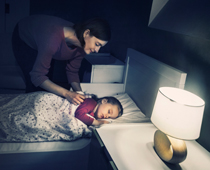
Most people sleep through the night
2. What makes daylight?
[ ] Bulbs
[ ] Lamps
[x] The Sun
[ ] The Moon
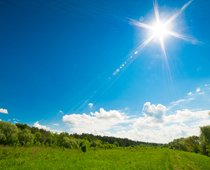
The Sun might be behind a cloud, but sunlight is daylight
3. How many hours are there in a day altogether?
[ ] 6
[ ] 12
[x] 24
[ ] 60
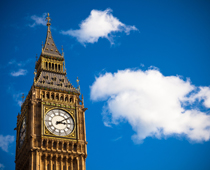
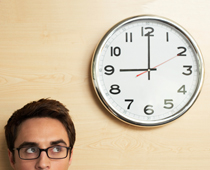
The clock in the picture is Big Ben. A lot of clocks only go round to 12. So they go round twice every day
4. What do we call the time between waking up and midday?
[ ] Night
[x] Morning
[ ] Afternoon
[ ] Evening
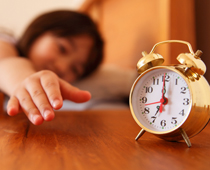
Midday is at 12 o’clock
5. What do we call the time after midday?
[ ] Night
[ ] Morning
[x] Afternoon
[ ] Evening
Noon is another word for midday
6. What do we call the time after you have had your tea but before you go to bed?
[ ] Night
[ ] Morning
[ ] Afternoon
[x] Evening
When is your bedtime?
7. 9 o’clock in the morning is:
[x] 9 a.m.
[ ] 9 p.m.
[ ] 9 m.a.
[ ] 9 m.p.
Times that are a.m. are before noon
8. 7 o’clock in the evening is:
[ ] 7 a.m.
[x] 7 p.m.
[ ] 7 m.a.
[ ] 7 m.p.
Times after noon and up to midnight are p.m.
9. The Sun comes up early in the morning. This is called ____.
[ ] Midnight
[x] Dawn
[ ] Noon
[ ] Dusk
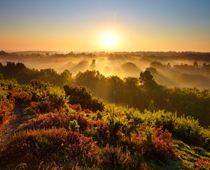
Dawn is when the Sun rises
10. The Sun is going down. This is called ____.
[ ] Midnight
[ ] Dawn
[ ] Noon
[x] Dusk
Sunset is another word for dusk