How did nearby woods help villages and towns grow? This quiz explores how forests, land, and resources shaped where people chose to build their settlements.
Explore the Topic →
(quiz starts below)
Fascinating Fact:
Woods and forests near a settlement provided timber for building, firewood for cooking and warmth, and food such as nuts and berries.
In KS2 Geography, pupils learn how natural resources affect where people live. They explore how forests, fields, and rivers helped early settlements to survive, stay warm, build homes, and trade.
Key Terms
Settlement: A place where people live and work, such as a hamlet, village, town, or city.
Natural resource: Something useful that comes from nature, like wood, water, metals, or fertile soil.
Woodland: An area covered in trees, plants, and wildlife that can provide timber, fuel, and food.
Frequently Asked Questions (Click to see answers)
What is a natural resource in KS2 geography?
A natural resource is something found in nature that people can use, such as wood from trees, water from rivers, or crops grown in fertile soil.
Why were forests important for early settlements?
Forests were important because they provided wood for building shelters, fuel for cooking and heating, and food such as berries, nuts, and animals to hunt.
What helps a settlement grow into a town?
A settlement can grow into a town when it has good resources, safe shelter, jobs, trade routes, and services such as markets, schools, and transport links.
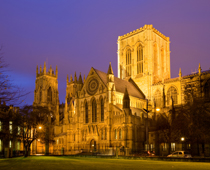
As the population grows, more houses and facilities such as hospitals will be built. There are some cities that do not have cathedrals, for example, Wolverhampton
3.
What would cause the population of a settlement to increase?
[x]
New factories creating lots of jobs for people
[]
Building of a school
[]
Link to other villages by railway
[]
The building of a town hall
People like to live quite near to where they work so if a factory was built in a town the people who work there might move to the town as well
4.
What would be needed in a seaside town if lots of tourists started to visit?
[]
New shops
[]
New hotels
[]
New cafes
[x]
All of these
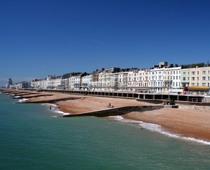
Tourists need places to eat, shop and sleep
5.
In which settlement would you be more likely to find a cathedral?
[]
Hamlet
[x]
City
[]
Farm
[]
Village
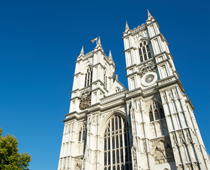
The vast majority of cathedrals are in cities
6.
Which settlement is most unlikely to have a church?
[x]
Hamlet
[]
Village
[]
City
[]
Town
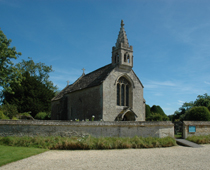
As a hamlet may just be two or three houses, it is less likely to have a church
7.
Which of these connections would not link two cities?
[]
Motorway
[]
Road
[x]
Footpath
[]
Railway
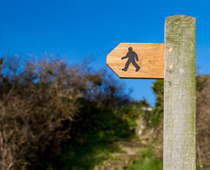
Footpaths link shorter distances, like villages or parts of a town
8.
What is a bridleway?
[x]
A path for horses and non-motorised vehicles
[]
A man-made channel for boats
[]
A track for electric trams
[]
A link road between two motorways
Bicycles are allowed on bridleways but they were originally intended for horses
9.
Which of these is NOT a method of crossing a river?
[]
Bridge
[x]
Canal
[]
Ferry
[]
Ford
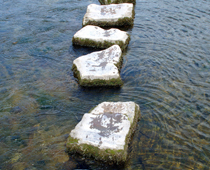
A canal is a man-made waterway on which boats travel up and down. Stepping stones, like those in the picture, are also a way to cross a small river
10.
What often developed at the mouth of rivers?
[]
Seaside towns
[]
Public houses
[x]
Ports
[]
Hamlets
Ports were important places for sending goods abroad, and rivers provided transport of the goods to the port