Fascinating Fact:
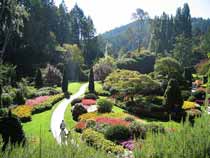
Many historic gardens use terraces, steps, and walls to manage steep ground. This can create different microclimates, with warmer sheltered spots and cooler shaded areas.
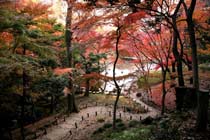
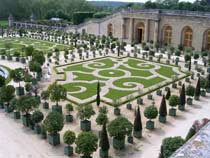
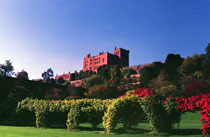
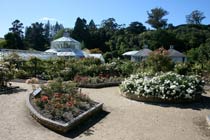
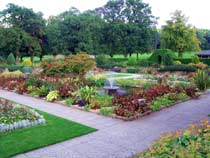
World-famous gardens often show how design choices affect growing conditions. On a slope, paths, walls, and planting beds can slow down water, reduce erosion, and make the space easier to walk through. Gardeners may place sun-loving plants in exposed areas, while shade-tolerant plants sit under trees or beside buildings. Features such as ponds, fountains, and gravel can change humidity and temperature nearby, which is useful in hot or windy climates. When you learn to spot these design tricks, it becomes easier to plan your own garden, even on awkward ground.
Key Terms
- Terrace: A flat level cut into a slope, often held by a wall, to create a stable planting or walking area.
- Microclimate: A small area with its own conditions, such as warmer, cooler, wetter, or more sheltered than nearby places.
- Erosion: When soil is worn away by water or wind, often worse on steep ground or bare earth.
Frequently Asked Questions (Click to see answers)
What is a microclimate in a garden?
A microclimate in a garden is a small spot with different conditions from the rest, such as a sunny wall that stays warmer or a shady corner that stays cooler and damp.
How do terraces help plants on steep ground?
Terraces create flatter areas that hold soil in place, reduce water rushing downhill, and give plant roots a steadier place to grow with less risk of drying out or washing away.
Why do garden walls and steps change how plants grow?
Walls and steps can block wind, create shade, store heat from the sun, and redirect water, which changes temperature and moisture levels for nearby plants.
Try These Related Quizzes