Lucy
Ask the AI Tutor
Need help with Friends and Foes - Diseases? Ask our AI Tutor!
Lucy AI Tutor - Lucy
Connecting with Tutor...
Please wait while we establish connection
Lucy
Hi! I'm Lucy, your AI tutor. How can I help you with Friends and Foes - Diseases today?
now
Logo

Gardening Quiz - Friends and Foes - Diseases (Questions)

Plant diseases can spread fast if conditions are right. This quiz covers common causes, warning signs, and simple steps that help keep garden plants healthier.

Explore the Topic →
(quiz starts below)

Fascinating Fact:

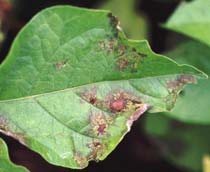
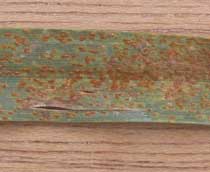
Rust diseases show as orange, brown, or yellow spots, often on the underside of leaves. Removing badly affected leaves can help slow spread.

In gardening, “diseases” usually means problems caused by fungi, bacteria, or viruses, plus issues made worse by stress, like poor drainage or lack of airflow. Many diseases spread by water splash, wind, contaminated tools, or infected plant material, so hygiene matters. The best prevention is often simple: choose suitable plants for the site, avoid overcrowding, water the soil rather than the leaves, and remove infected growth promptly. If a plant keeps getting the same problem each year, it can help to change the variety, improve spacing, or rotate crops in vegetable beds.

  • Pathogen: A germ that causes disease in a plant, such as a fungus, bacterium, or virus.
  • Airflow: The movement of air around plants, which helps leaves dry and reduces damp conditions.
  • Sanitation: Keeping tools, pots, and growing areas clean to reduce the spread of pests and diseases.
How do I stop plant diseases spreading in my garden?

To slow spread, remove infected leaves, avoid watering foliage, clean secateurs between plants, and give plants enough space so air can move through the border.

What causes fungal diseases on garden plants?

Fungal diseases are often encouraged by damp leaves, overcrowding, and mild humid weather. Spores can travel in wind or splashing water and infect stressed plants more easily.

Should I put diseased leaves in the compost bin?

It is safer to bin or remove badly diseased leaves, especially if they are covered in mould or spots. Home compost may not get hot enough to kill all pathogens.

To see a larger image, click on the picture.
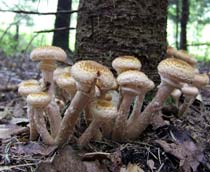
1. This attractive looking fungus is a deadly threat to gardeners. What is its name?
[ ] Beeswax fungus
[ ] Honey fungus
[ ] Sugar fungus
[ ] Syrup fungus
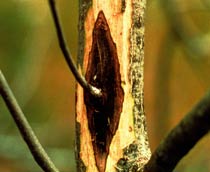
2. What organism causes the type of die-back of a tree's branches known as canker?
[ ] Bacteria
[ ] Fungi
[ ] Virus
[ ] All of the above
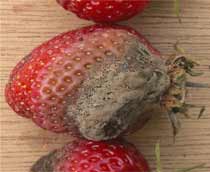
3. This is Botrytis cinerea. What is its usual name in the gardening world?
[ ] Grey disease
[ ] Grey mildew
[ ] Grey mould
[ ] Grey rot
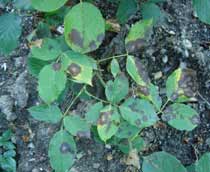
4. The curse of rose growers is rose Black Spot but do you know what type of organism it is caused by?
[ ] Bacteria
[ ] Fungus
[ ] Oomycete
[ ] Virus
5. Potato blight was responsible for the greatest farming tragedy in the history of the British Isles. How many people are estimated to have died during the Irish Potato Famine in the mid 1800s?
[ ] One thousand
[ ] Ten thousand
[ ] One hundred thousand
[ ] One million
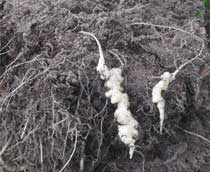
6. These roots are infected with the disease known as clubroot. Which group of plants are most often affected?
[ ] Brassicas
[ ] Herbaceous plants
[ ] Top fruit
[ ] Soft fruit
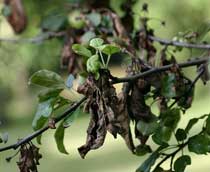
7. Between which two countries has animosity been created because of fireblight?
[ ] Australia and New Zealand
[ ] China and the USA
[ ] England and France
[ ] Spain and Portugal
8. What is the name given to the group of fungi that create leaf disfiguration similar to that seen below?
[ ] Plant blemish
[ ] Plant freckle
[ ] Plant rust
[ ] Plant spot
9. Where on a plant would you expect to see the first signs of powdery mildew?
[ ] Growing tips
[ ] Upper leaves
[ ] Lower leaves
[ ] Base of the stem
10. Pythium (as seen in the picture below) is one of a number of diseases that cause the sudden collapse of seedlings often referred to as 'damping off'. Which of the diseases below is NOT a cause of damping off?
[ ] Botulism
[ ] Fusarium
[ ] Phytophthora
[ ] Rhizoctonia
Logo
Gardening Quiz - Friends and Foes - Diseases (Answers)
1. This attractive looking fungus is a deadly threat to gardeners. What is its name?
[ ] Beeswax fungus
[x] Honey fungus
[ ] Sugar fungus
[ ] Syrup fungus
2. What organism causes the type of die-back of a tree's branches known as canker?
[ ] Bacteria
[ ] Fungi
[ ] Virus
[x] All of the above
Canker is a word used to describe similar effects caused by many different organisms
3. This is Botrytis cinerea. What is its usual name in the gardening world?
[ ] Grey disease
[ ] Grey mildew
[x] Grey mould
[ ] Grey rot
4. The curse of rose growers is rose Black Spot but do you know what type of organism it is caused by?
[ ] Bacteria
[x] Fungus
[ ] Oomycete
[ ] Virus
5. Potato blight was responsible for the greatest farming tragedy in the history of the British Isles. How many people are estimated to have died during the Irish Potato Famine in the mid 1800s?
[ ] One thousand
[ ] Ten thousand
[ ] One hundred thousand
[x] One million
A further million people emigrated as a result of the famine, thus changing the face of Ireland forever. All because large numbers of people were dependent on the potato as a food crop and it was nearly wiped out because of blight.
6. These roots are infected with the disease known as clubroot. Which group of plants are most often affected?
[x] Brassicas
[ ] Herbaceous plants
[ ] Top fruit
[ ] Soft fruit
The term 'brassica' is used to collectively describe the large group of vegetables that include cabbages, cauliflowers and turnips
7. Between which two countries has animosity been created because of fireblight?
[x] Australia and New Zealand
[ ] China and the USA
[ ] England and France
[ ] Spain and Portugal
Australia (where there is no fireblight) will not allow the importation of New Zealand apples because fireblight is known to exist in New Zealand
8. What is the name given to the group of fungi that create leaf disfiguration similar to that seen below?
[ ] Plant blemish
[ ] Plant freckle
[x] Plant rust
[ ] Plant spot
9. Where on a plant would you expect to see the first signs of powdery mildew?
[ ] Growing tips
[ ] Upper leaves
[x] Lower leaves
[ ] Base of the stem
10. Pythium (as seen in the picture below) is one of a number of diseases that cause the sudden collapse of seedlings often referred to as 'damping off'. Which of the diseases below is NOT a cause of damping off?
[x] Botulism
[ ] Fusarium
[ ] Phytophthora
[ ] Rhizoctonia
Botulism is a serious disease associated with humans - not plants!