Lucy
Ask the AI Tutor
Need help with Perennials - Perennials 1? Ask our AI Tutor!
Lucy AI Tutor - Lucy
Connecting with Tutor...
Please wait while we establish connection
Lucy
Hi! I'm Lucy, your AI tutor. How can I help you with Perennials - Perennials 1 today?
now
Logo

Gardening Quiz - Perennials - Perennials 1 (Questions)

Perennials come back each year, but they need the right start. Explore how to choose, plant, and care for them so they grow stronger and flower well.

Explore the Topic →
(quiz starts below)

Fascinating Fact:

Perennials often need time to establish before they look their best. A common pattern is “sleep, creep, leap”, slow in year one, stronger in year two, then full in year three.

Perennials are plants that live for more than two years, returning from their roots each spring. Some are herbaceous and die back in winter, while others keep woody stems. Good planting makes a big difference, choose the right spot for light and moisture, improve the soil with organic matter, and water well until the roots settle in. After that, care is mostly simple: mulch to hold moisture, remove tired stems, and feed lightly if growth is weak. Many perennials benefit from dividing crowded clumps every few years, which gives healthier plants and more pieces to replant. If flowers fade early, deadheading can encourage a longer display. Picking varieties that suit your garden conditions is the easiest way to get strong, reliable colour year after year.

  • Herbaceous perennial: A perennial that dies back above ground in winter and regrows from the base in spring.
  • Mulch: A layer placed on the soil surface to help keep moisture in, reduce weeds, and improve soil over time.
  • Division: Splitting a clump into smaller sections to renew the plant and create new plants.
What is a perennial plant?

A perennial is a plant that lives for more than two years and returns each growing season, usually from the same roots, rather than needing to be replanted every year.

When is the best time to plant perennials in the UK?

In the UK, spring and early autumn are usually best for planting perennials because the soil is workable and there is enough moisture for roots to establish before extreme heat or deep cold.

How do I look after perennials after they finish flowering?

After flowering, remove spent blooms if suitable for the plant, tidy damaged stems, and keep watering during dry spells. Mulching and occasional feeding can support healthy regrowth for the next season.

To see a larger image, click on the picture.
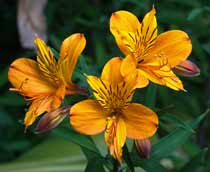
1. What is the botanical name of the Peruvian Lily?
[ ] Alstroemeria
[ ] Alternaria
[ ] Anchusa
[ ] Anemone
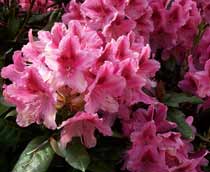
2. What type of soil must Rhododendrons have in order to thrive?
[ ] Acid
[ ] Alkaline
[ ] Clayey
[ ] Sandy
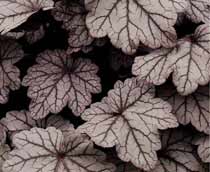
3. The plant in the photograph belongs to a genus that contains garden plants grown for both their flowers and their foliage. What is it?
[ ] Euonymous
[ ] Heuchera
[ ] Mahonia
[ ] Skimmia
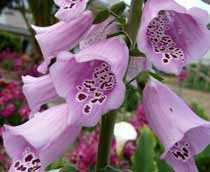
4. No herbaceous border is complete without this beautiful plant. What is its common name?
[ ] Foxdress
[ ] Foxglove
[ ] Foxhat
[ ] Foxsock
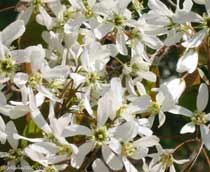
5. Which small tree flowers early in the Spring and has flowers like those in the picture?
[ ] Abelanchier
[ ] Acelanchier
[ ] Amelanchier
[ ] Apelanchier
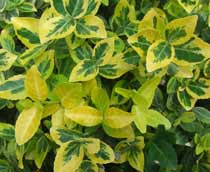
6. What species of Euonymous is this evergreen shrub?
[ ] Forchinious
[ ] Fortanimous
[ ] Fortonia
[ ] Fortunei
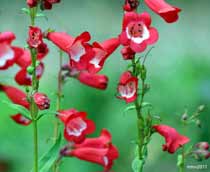
7. Penstemons are known for their ability to flourish in what type of conditions?
[ ] Dry
[ ] Humid
[ ] Wet
[ ] Windy
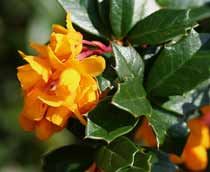
8. Why does it pay to take care around Berberis plants?
[ ] Branches are thorny
[ ] Flowers harbour wasps
[ ] Foliage is irritating
[ ] Whole plant is poisonous
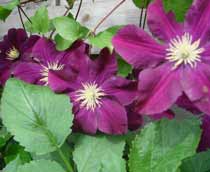
9. From where do most species of Clematis originate?
[ ] Australia
[ ] China and Japan
[ ] Europe
[ ] South America
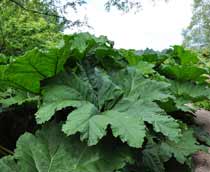
10. Gunnera is sometimes known as what?
[ ] Dinosaur food
[ ] Elephant food
[ ] Hippopotamus food
[ ] Rhinoceros food
Logo
Gardening Quiz - Perennials - Perennials 1 (Answers)
1. What is the botanical name of the Peruvian Lily?
[x] Alstroemeria
[ ] Alternaria
[ ] Anchusa
[ ] Anemone
2. What type of soil must Rhododendrons have in order to thrive?
[x] Acid
[ ] Alkaline
[ ] Clayey
[ ] Sandy
The plants are ericaceous and as such they will not tolerate alkaline soils.
3. The plant in the photograph belongs to a genus that contains garden plants grown for both their flowers and their foliage. What is it?
[ ] Euonymous
[x] Heuchera
[ ] Mahonia
[ ] Skimmia
"Heucheraholics" in the New Forest offer a splendid range of these plants for your garden. Their website is at http://heucheraholics.co.uk/
4. No herbaceous border is complete without this beautiful plant. What is its common name?
[ ] Foxdress
[x] Foxglove
[ ] Foxhat
[ ] Foxsock
5. Which small tree flowers early in the Spring and has flowers like those in the picture?
[ ] Abelanchier
[ ] Acelanchier
[x] Amelanchier
[ ] Apelanchier
6. What species of Euonymous is this evergreen shrub?
[ ] Forchinious
[ ] Fortanimous
[ ] Fortonia
[x] Fortunei
7. Penstemons are known for their ability to flourish in what type of conditions?
[x] Dry
[ ] Humid
[ ] Wet
[ ] Windy
Many of the species come from desert regions
8. Why does it pay to take care around Berberis plants?
[x] Branches are thorny
[ ] Flowers harbour wasps
[ ] Foliage is irritating
[ ] Whole plant is poisonous
Berberis is a good choice if you want to create an inpenetrable barrier.
9. From where do most species of Clematis originate?
[ ] Australia
[x] China and Japan
[ ] Europe
[ ] South America
10. Gunnera is sometimes known as what?
[x] Dinosaur food
[ ] Elephant food
[ ] Hippopotamus food
[ ] Rhinoceros food