Lucy
Ask the AI Tutor
Need help with Perennials - Perennials 4? Ask our AI Tutor!
Lucy AI Tutor - Lucy
Connecting with Tutor...
Please wait while we establish connection
Lucy
Hi! I'm Lucy, your AI tutor. How can I help you with Perennials - Perennials 4 today?
now
Logo

Gardening Quiz - Perennials - Perennials 4 (Questions)

Some perennials politely stay put, while others slowly wander. Learn how spreading happens, what “spreading” means on labels, and simple ways to keep borders tidy.

Explore the Topic →
(quiz starts below)

Fascinating Fact:

Some perennials spread by runners or underground stems and can slowly take over a bed. Labelled “spreading” types suit larger spaces or need edging control.

Perennials spread in different ways, and knowing which kind you have can save you a lot of digging later. Some plants expand as a clump, getting wider each year but staying in roughly the same place. Others spread outward by producing new shoots away from the main plant, either along the surface or beneath it, which can make them “travel” across a border. Spreading perennials can be brilliant for filling gaps and creating a fuller look with less replanting, especially in larger beds. In smaller gardens, the trick is to guide them with simple controls, such as keeping a clear edge, lifting and dividing every few years, or planting them where they have room to move without swallowing slower neighbours.

  • Runner: A stem that grows along the soil and can form a new plant where it touches down and roots.
  • Rhizome: A horizontal underground stem that sends up new shoots and helps a plant spread over time.
  • Divide: To split a plant into smaller sections, then replant them to control size and improve growth.
What does “spreading perennial” mean on a plant label?

A “spreading perennial” is a plant that expands outward over time, often by sending up new growth away from the original clump. It can fill space quickly, so it may need occasional control.

How do I stop a perennial from taking over my border?

Lift and divide the plant every few years, cut back wandering shoots, and keep a clear edge to the bed. You can also grow strong spreaders in pots sunk into the ground for extra control.

When is the best time to divide spreading perennials in the UK?

Many perennials divide well in early spring as growth starts, or in early autumn while the soil is still warm. Avoid dividing during drought, heatwaves, or when the ground is frozen.

To see a larger image, click on the picture.
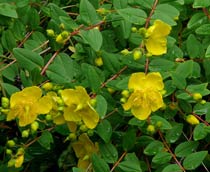
1. What is the common name for Hypericums?
[ ] St John's wort
[ ] St Luke's weed
[ ] St Paul's plant
[ ] St Peter's herb
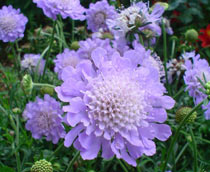
2. What is the scientific name for the Pincushion Flower?
[ ] Campanula
[ ] Hyacinthella
[ ] Scabiosa
[ ] Torenia
3. How quickly would you expect "Morning Glory" to grow?
[ ] Very slowly
[ ] Slowly
[ ] Fast
[ ] Very Fast
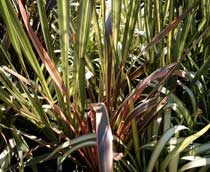
4. Phormiums have a common name that includes their country of origin - what is it?
[ ] China cotton
[ ] Greece wool
[ ] India hemp
[ ] New Zealand flax
5. What type of soil do Azaleas require in order to thrive?
[ ] Acid
[ ] Alkaline
[ ] Permanently wet
[ ] Predominantly dry
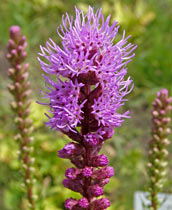
6. Liatris belong to which family of plants
[ ] Asteracea
[ ] Cruciferae
[ ] Solanaceae
[ ] Violaceae
7. "Baby's-breath" is much loved by flower arrangers. What is its scientific name?
[ ] Alstroemeria
[ ] Artemesia
[ ] Celosia
[ ] Gypsophila
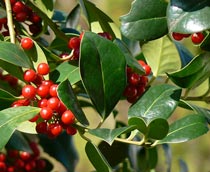
8. Holly was often planted in a hedge amongst other species for what purpose?
[ ] As a marker
[ ] To attract insects
[ ] To encourage birdlife
[ ] To deter lifestock
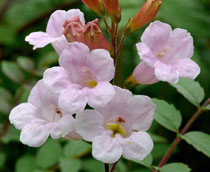
9. Incarvillea has a common name of what?
[ ] Chinese trumpet flower
[ ] Himalayan drum flower
[ ] Japanese cornet flower
[ ] Tibetan horn flower
10. By what name do gardeners usually know Limoniums?
[ ] Achillea
[ ] Helichrysum
[ ] Statice
[ ] Strawflower
Logo
Gardening Quiz - Perennials - Perennials 4 (Answers)
1. What is the common name for Hypericums?
[x] St John's wort
[ ] St Luke's weed
[ ] St Paul's plant
[ ] St Peter's herb
The word "wort" in a plant name (such as liverwort or milkwort) usually infers that the plant was used for medicinal purposes.
2. What is the scientific name for the Pincushion Flower?
[ ] Campanula
[ ] Hyacinthella
[x] Scabiosa
[ ] Torenia
3. How quickly would you expect "Morning Glory" to grow?
[ ] Very slowly
[ ] Slowly
[ ] Fast
[x] Very Fast
A single plant can grow many feet and cover several fence panels in its first year.
4. Phormiums have a common name that includes their country of origin - what is it?
[ ] China cotton
[ ] Greece wool
[ ] India hemp
[x] New Zealand flax
5. What type of soil do Azaleas require in order to thrive?
[x] Acid
[ ] Alkaline
[ ] Permanently wet
[ ] Predominantly dry
Azaleas belong to the group of plants known as "Ericaceous". They will not tolerate lime in the soil.
6. Liatris belong to which family of plants
[x] Asteracea
[ ] Cruciferae
[ ] Solanaceae
[ ] Violaceae
Liatris are closely related to annual Asters found in bedding displays and used as cut flowers.
7. "Baby's-breath" is much loved by flower arrangers. What is its scientific name?
[ ] Alstroemeria
[ ] Artemesia
[ ] Celosia
[x] Gypsophila
8. Holly was often planted in a hedge amongst other species for what purpose?
[x] As a marker
[ ] To attract insects
[ ] To encourage birdlife
[ ] To deter lifestock
A single holly planted in a hedge was often used to indicate a parish boundary or to show the route of a footpath.
9. Incarvillea has a common name of what?
[x] Chinese trumpet flower
[ ] Himalayan drum flower
[ ] Japanese cornet flower
[ ] Tibetan horn flower
10. By what name do gardeners usually know Limoniums?
[ ] Achillea
[ ] Helichrysum
[x] Statice
[ ] Strawflower