Lucy
Ask the AI Tutor
Need help with Perennials - Perennials 5? Ask our AI Tutor!
Lucy AI Tutor - Lucy
Connecting with Tutor...
Please wait while we establish connection
Lucy
Hi! I'm Lucy, your AI tutor. How can I help you with Perennials - Perennials 5 today?
now
Logo

Gardening Quiz - Perennials - Perennials 5 (Questions)

Some perennials can flower again if you cut them back at the right time. Learn what “deadheading” is, when to trim, and which plants are more likely to rebloom.

Explore the Topic →
(quiz starts below)

Fascinating Fact:

Cutting back after flowering can sometimes encourage a second flush. This works best for plants that naturally rebloom, rather than those that flower once.

After a perennial has finished flowering, it often puts energy into making seeds. If you remove faded flowers and lightly trim the plant, you can sometimes redirect that energy into new buds and fresh growth. This is most effective with perennials that are known to rebloom or flower over a long season. Plants that bloom in a single short burst may not repeat, even if you cut them back, but they can still look tidier and stay healthier when spent stems are removed. A simple routine is to deadhead little and often, then give the plant a gentle cut-back once it looks tired, while still leaving enough leaves to feed the roots for next year.

  • Deadhead: To remove faded flowers so the plant does not waste energy making seeds.
  • Second flush: A new wave of flowers that appears later in the season after the first has finished.
  • Seed head: The part of the plant that holds developing seeds after flowering.
Will cutting back perennials make them flower again?

Sometimes, yes. Cutting back works best for perennials that naturally rebloom or flower for a long time. It may not help plants that only flower once, but it can still keep them neat.

What is the difference between deadheading and cutting back?

Deadheading removes just the faded flowers, often with a short piece of stem. Cutting back is a bigger trim that shortens stems and shapes the plant after it has finished flowering.

When should I deadhead perennials in the UK?

Deadhead whenever flowers fade during the growing season, usually from late spring through autumn. Do it on a dry day if possible, and keep tools clean for a tidy cut.

To see a larger image, click on the picture.
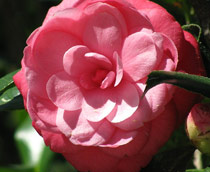
1. There are more than 100 different species of Camellia and they all originate from which continent?
[ ] Africa
[ ] Asia
[ ] Europe
[ ] South America
2. What is the scientific name for the Cape Daisy?
[ ] Abutilon
[ ] Euonymous
[ ] Impatiens
[ ] Osteospermum
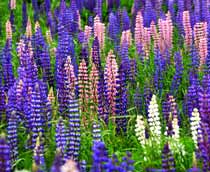
3. Which essential element can Lupins "Fix" into the soil?
[ ] Magnesium
[ ] Nitrogen
[ ] Phosphorus
[ ] Potassium
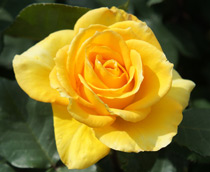
4. What is the name given to the fruit of a Rose?
[ ] Berry
[ ] Hip
[ ] Haw
[ ] Drupe
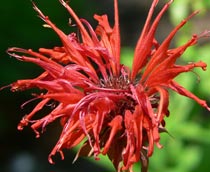
5. This strange looking flower belongs to what plant?
[ ] Magnolia
[ ] Mahonia
[ ] Monarda
[ ] Morisia
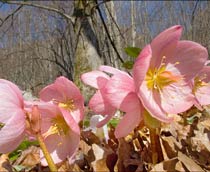
6. This winter flowering plant is probably better known in its white form. What is its common name?
[ ] Christmas rose
[ ] Easter bonnet
[ ] Lent buttercup
[ ] Mid-winter tulip
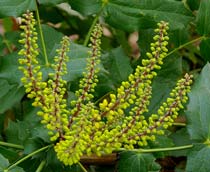
7. In which season are Mahonias at their best?
[ ] Spring
[ ] Summer
[ ] Autumn
[ ] Winter
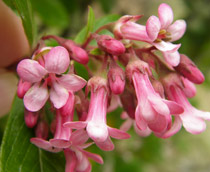
8. These are the flowers of which plant that is often used for hedging?
[ ] Elaeagnus
[ ] Erinus
[ ] Escallonia
[ ] Euonymous
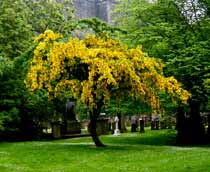
9. Which part of a Laburnum tree is poisonous?
[ ] Bark
[ ] Flowers
[ ] Leaves
[ ] All of it
10. Nerines are closely related to which other plant?
[ ] Amaryllis
[ ] Crocus
[ ] Iris
[ ] Tulip
Logo
Gardening Quiz - Perennials - Perennials 5 (Answers)
1. There are more than 100 different species of Camellia and they all originate from which continent?
[ ] Africa
[x] Asia
[ ] Europe
[ ] South America
Wild specimens can be found in the Himalayas, eastern and southern China, Japan and Indonesia
2. What is the scientific name for the Cape Daisy?
[ ] Abutilon
[ ] Euonymous
[ ] Impatiens
[x] Osteospermum
3. Which essential element can Lupins "Fix" into the soil?
[ ] Magnesium
[x] Nitrogen
[ ] Phosphorus
[ ] Potassium
All plants require Nitrogen and Lupins can effectively extract Nitogen from the atmosphere - an ability that allows them to grow in Nitrogen deficient soils
4. What is the name given to the fruit of a Rose?
[ ] Berry
[x] Hip
[ ] Haw
[ ] Drupe
5. This strange looking flower belongs to what plant?
[ ] Magnolia
[ ] Mahonia
[x] Monarda
[ ] Morisia
6. This winter flowering plant is probably better known in its white form. What is its common name?
[x] Christmas rose
[ ] Easter bonnet
[ ] Lent buttercup
[ ] Mid-winter tulip
It is not even remotely related to the true Rose!
7. In which season are Mahonias at their best?
[ ] Spring
[ ] Summer
[ ] Autumn
[x] Winter
Its flowers bring a splash of golden colour to the garden during the coldest months of the year
8. These are the flowers of which plant that is often used for hedging?
[ ] Elaeagnus
[ ] Erinus
[x] Escallonia
[ ] Euonymous
9. Which part of a Laburnum tree is poisonous?
[ ] Bark
[ ] Flowers
[ ] Leaves
[x] All of it
Whilst poisonous to humans it is used as a food plant by some butterfly species.
10. Nerines are closely related to which other plant?
[x] Amaryllis
[ ] Crocus
[ ] Iris
[ ] Tulip
Nerines and Amayllis both belong to the family Amaryllidaceae