




Ask the AI Tutor
Need help with Bulbs - Bulbs 2? Ask our AI Tutor!
AI Tutor - Lucy
Connecting with Tutor...
Please wait while we establish connection
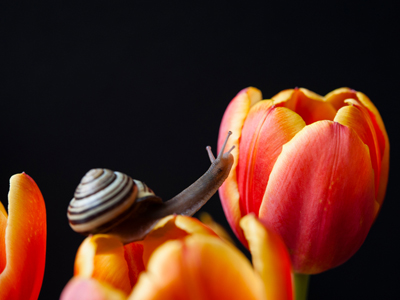
Tulips are delightful in the garden or in a vase in the home!
Bulbs - Bulbs 2
Growing bulbs in pots can give you bursts of colour right where you want them. This quiz looks at choosing containers, watering wisely, and keeping bulbs healthy through winter.
To see a larger image, click on the picture.
1 .
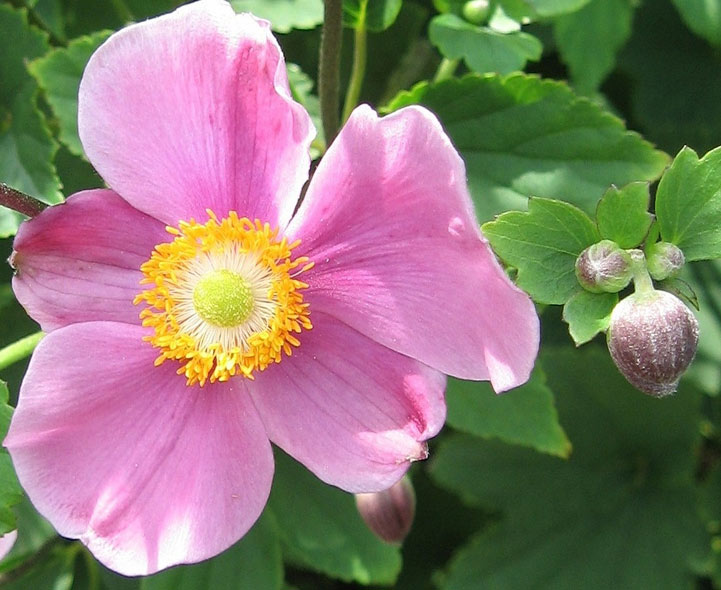
What is the name of this plant that is often used as a cut flower?
Photograph courtesy of Pris Sears
Anchusa
Anemone
Angelica
Anthemis
- Known by some people as the Windflower.
- There are many different varieties and by choosing carefully it is possible to have flowers for many months in succession.
- It is advisable to soak the bulbs in a bowl of water for a few hours before planting to encourage them to start growing.
- Grows well in any soil type provided that is is well drained.
2 .
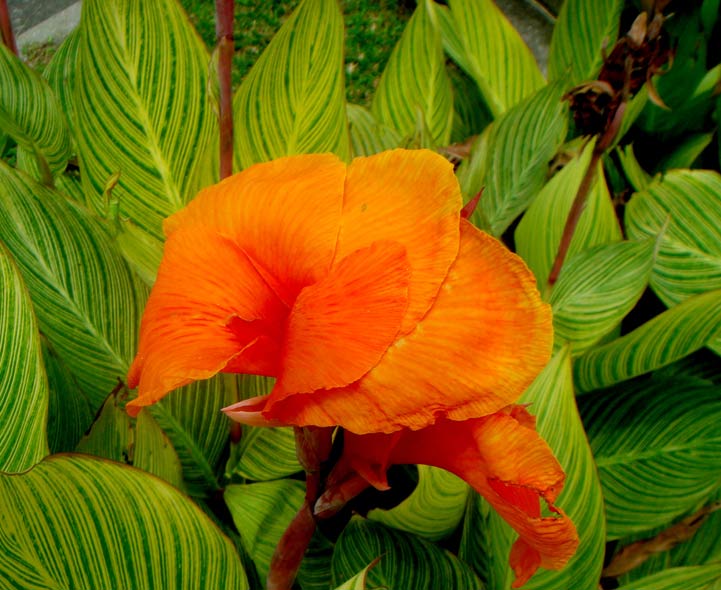
Which of the following fruits is closely related to Cannas?
Photograph courtesy of www.flickr.com/photos/adaduitokla/
Apple
Banana
Orange
Pomegranate
- Cannas are showy plants with large flowers in glowing colour combinations of orange, red and yellow.
- Foliage looks as exotic as the flowers.
- Often used as a centrepiece in mass bedding displays to add height and variation of form.
- Good plants for mixed borders.
- Lift the rhizomes in the autumn and wash them to get them clean. Keep in moist compost in a frost free place and replant them the next spring.
Both Cannas and bananas belong to the order known as Zingiberales
3 .
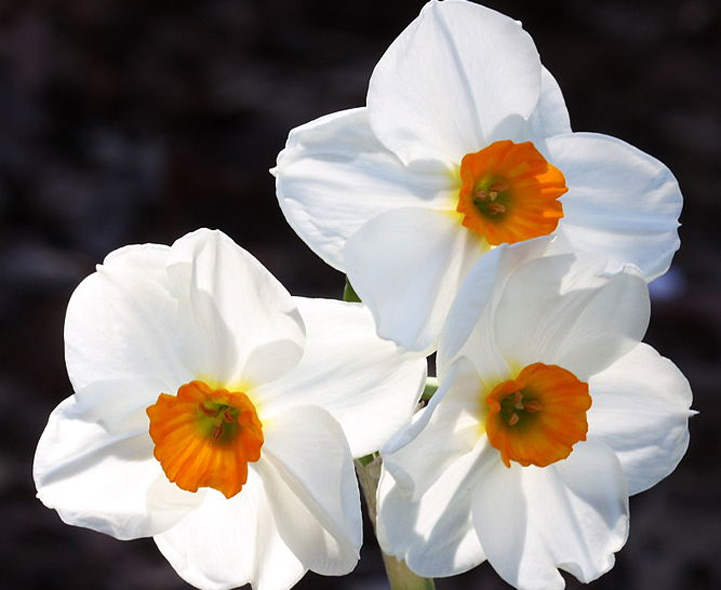
This Narcissus variety shares its name with which popular bedding plant?
Photograph courtesy of First Light
Begonia
Dianthus
Geranium
Nicotiana
- The Narcissus genus includes all varieties of daffodil.
- The 'outside' of the flower is usually yellow or white whilst the 'centre' can be white, yellow or red.
- There are several multi-headed varieties - as per the illustration.
- Probably the easiest of all bulbs to grow in the garden.
- Buy good stock initially and you will get ever increasing clumps of flowers forevermore.
Called Geranium Narcissus by some people and Narcissus Geranium by others
4 .
Iris is the Greek word meaning what?
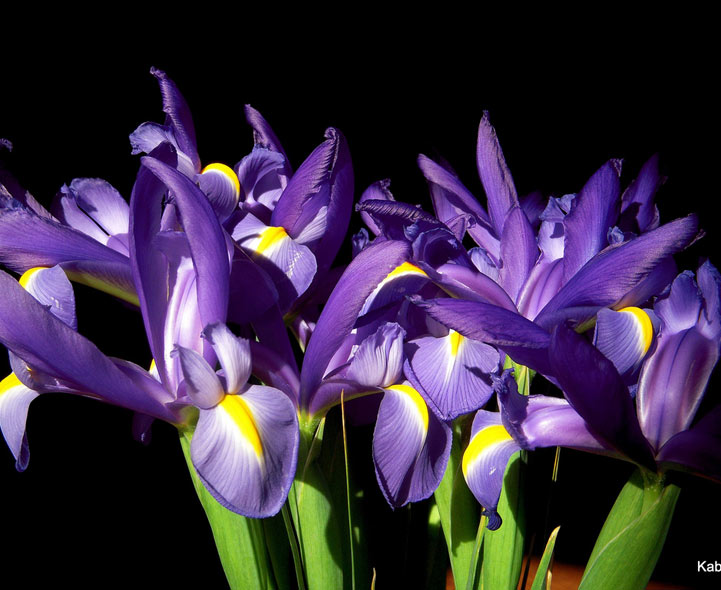
Photograph courtesy of Iorises
Beautiful
Large
Rainbow
Scented
- Sometimes known as 'flags'
- Many of the various species are grown from bulbs whilst others are grown from rhizomes.
- The roots of the Sweet Iris (I. pallida) are used in the perfume industry and several species have sweetly scented flowers.
- Normally grown from bulbs planted in the autumn.
- Provided they are planted in a sunny position they will be successful on most soil types.
There are many different varieties of Iris and between them they can represent virtually the entire colour spectrum
5 .
The best known colour in this genus of plant is white and it is often known as Star of Bethlehem. What is the name of the genus?
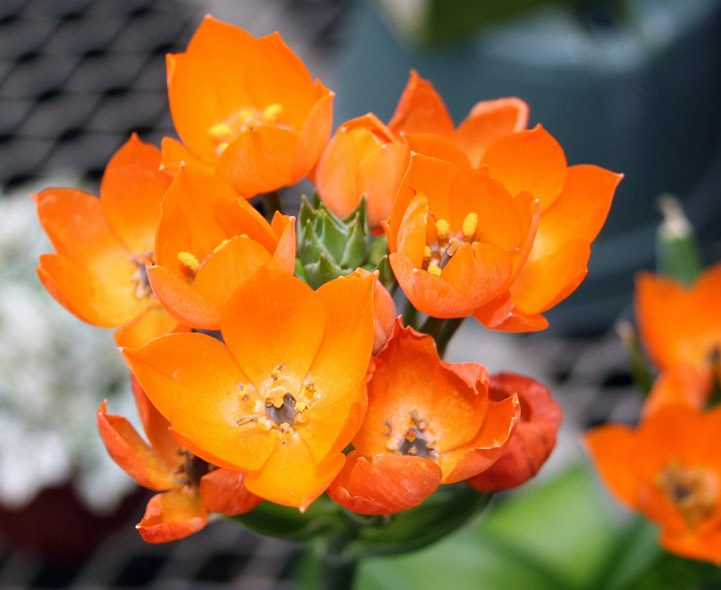
Photograph courtesy of www.flickr.com/photos/flowerfactor/
Olea
Opuntia
Ornithogalum
Osmanthus
- White is still the most often-seen colour but oranges and yellows are gaining popularity.
- There are many different species and hybrids, most of which grow to about 30cm high.
- Thrives in both sun and partial shade but good drainage is a distinct advantage.
- Usually grown from bulbs.
- Can be raised from seed but expect about 4 years before you see your first flower!
6 .
To which unpronounceable genus does the Arum lily belong?
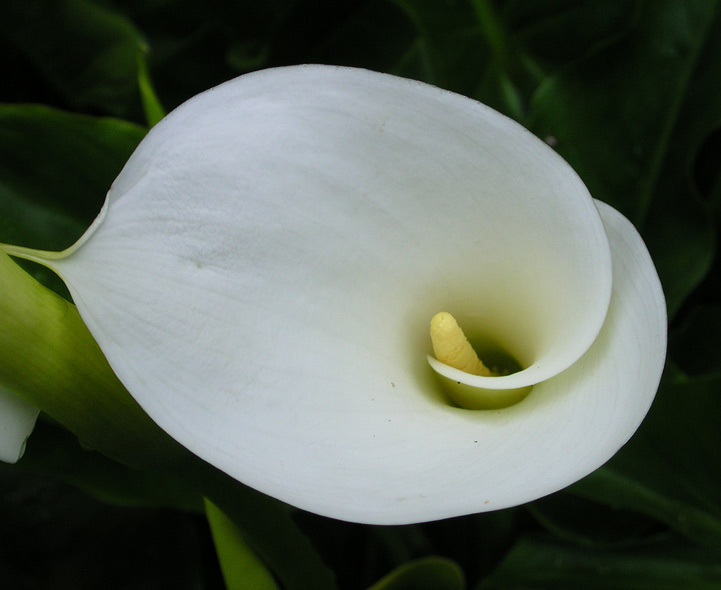
Photograph courtesy of www.flickr.com/photos/brewbooks/
Brassolaeliocattleya
Citharexylum
Pseudotsuga
Zantedeschia
- Arum lilies have the unpronounceable genus name and to make matters worse the specie name is aethiopica!
- Used extensively as a cut flower.
- Needs constantly moist conditions.
- A marshy area around a pond suits it very well and it can even be planted in the water.
- Although it is generally regarded as hardy, the roots must not get frozen and therefore it is not the best choice of plant for cold areas of the country.
7 .
'Tulip mania' occurred in the early 1600s and in Holland single bulbs were sold for as much as a skilled craftsman could earn in how long?
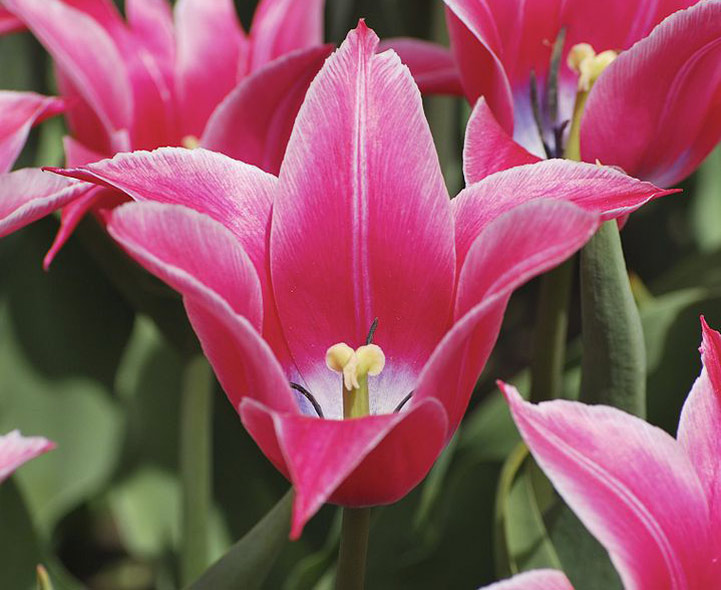
Photograph courtesy of UpstateNYer
A week
A month
A year
10 years
- Along with daffodils, these are the most widely grown bulbs in UK gardens.
- Unlike daffodils, tulips need to be lifted each year to obtain the best results.
- After the foliage has died down in early summer the bulbs should be dug up, carefully cleaned and replanted in the autumn.
- They do best on light, sandy soils and in these conditions a stock of bulbs can last many years.
- On heavier soils the size of the bulbs tends to decrease each year.
Tulip mania is widely regarded as the first economic 'bubble'
8 .
In the genus Puschkinia, how many species are known?
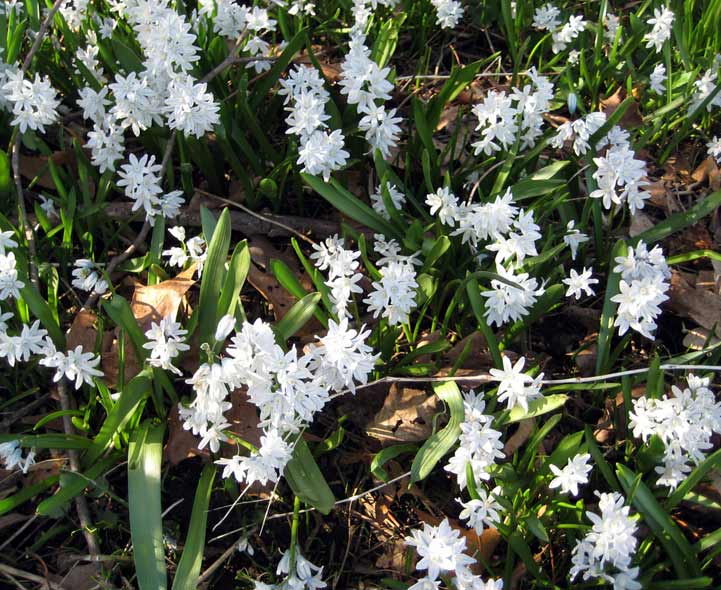
Photograph courtesy of www.flickr.com/photos/cataloft/
2
20
About 200
Over 2,000
- Flowers are either white or blue.
- Native to Asia and the Middle East.
- They look a little like a miniature Hyacinth, a plant to which they are closely related.
- Flowers early in the spring and although they might look delicate they can withstand severe frosts.
- Sparkling flowers but they appear on very short stems. If you are planting amongst other plants then make sure that the neighbours don't smother them!
9 .
When should the foliage of Scillas be cut from the plant?
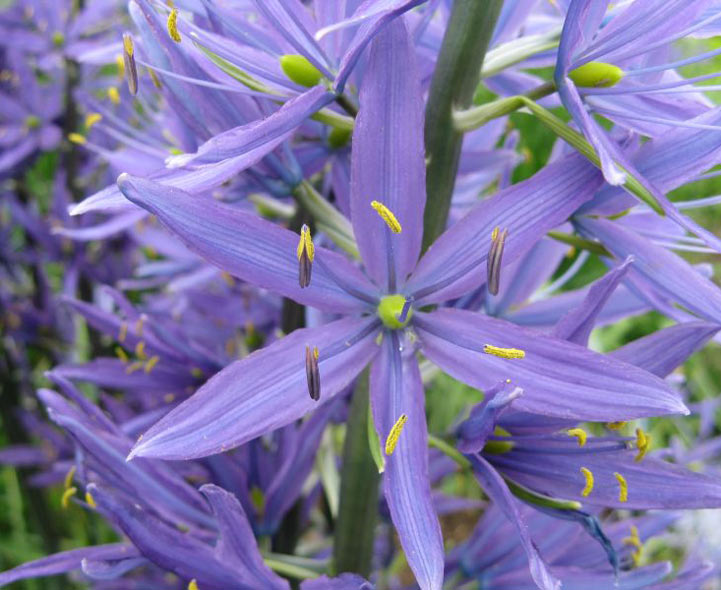
Photograph courtesy of www.flickr.com/photos/jennyn/
Before they flower
At the time of flowering
Soon after flowering
Never
- Flowers are nearly always blue.
- Needs good drainage but otherwise is not too fussy about where it is planted.
- Bulbs are small and should be planted in the autumn for flowering the next spring.
- Ensure that the 'sharp' end of the bulb is pointed upwards and about 10cms beneath the surface of the soil.
- They make good plants to go alongside primula and miniature daffodils in autumn-planted containers.
As with all bulbous plants it is better to let the foliage die down naturally. All the time that the leaves are green they are producing food to add to the plant's resources ready for the next year
10 .
Muscari is often known as what?
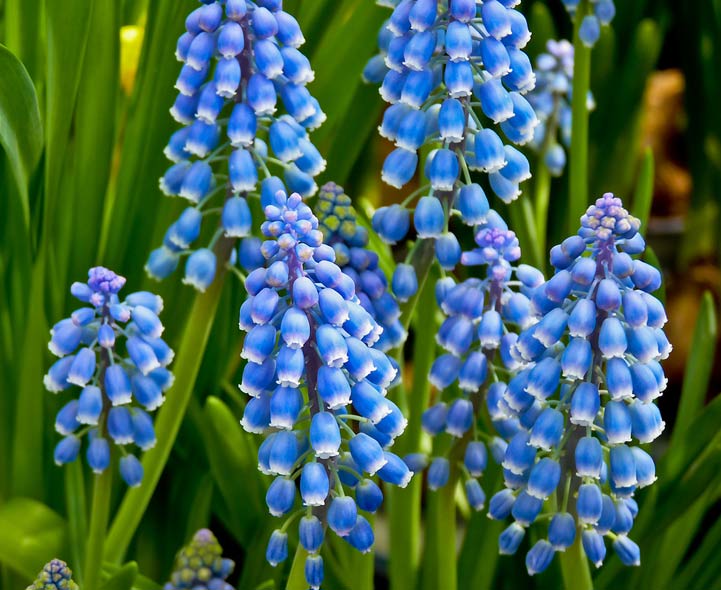
Photograph courtesy of www.flickr.com/photos/thomissen/
Berry Hyacinth
Currant Hyacinth
Grape Hyacinth
Raisin Hyacinth
- Flowers are usually blue but there are some white cultivars.
- M. armeniacum is the species most often grown in gardens.
- The plants grow best in light shade but will often prosper in other situations provided they never get too hot or too wet.
- They are extremely easy to grow, so much so they can become invasive and in some gardens they take on the status of a 'weed'.



**Unlimited Quizzes Await You! 🚀**
Hey there, quiz champ! 🌟 You've already tackled today's free questions.
Ready for more?
Ready for more?
🔓 Unlock UNLIMITED Quizzes and challenge yourself every day. But that's
not all...
not all...
🔥 As a Subscriber you can join our thrilling "Daily Streak" against other
quizzers. Try to win a coveted spot on our Hall of Fame Page.
quizzers. Try to win a coveted spot on our Hall of Fame Page.
Don't miss out! Join us now and keep the fun rolling. 🎉
**Unlimited Quizzes Await You! 🚀**
Hey there, quiz champ! 🌟 You've already tackled today's free questions. Ready for more?
🔓 Unlock UNLIMITED Quizzes and challenge yourself every day. But that's not all...
🔥 As a Subscriber you can join our thrilling "Daily Streak" against other quizzers. Try to win a coveted spot on our Hall of Fame Page.
Don't miss out! Join us now and keep the fun rolling. 🎉




© Copyright 2016-2026 - Education Quizzes
Work Innovate Ltd - Design | Development |
Marketing
